Tyres are very very significant safety items on your car, and lots of drivers only start to consider them when the MOT tester tells them that they are losing their tread. As fuel costs remain expensive and roads continue to get crowded, the correct choice of tyres may save you a lot of comfort and money as well as lives.
The Importance of Tyre Choice Like Never Before
The contemporary tyres are much more than road grabbers. They influence fuel economy, braking distance, road noise and the way your car behaves when it is wet or in cold weather. In the UK, it is a good idea to select tyres that work well in mixed weather conditions, as it is regularly raining, and the temperatures drop to as low as -10°C in the winter and is as hot as 37°C in the summer.
The minimum tread depth required by law is 1.6mm, however most professionals suggest that tyres should be replaced when they wear below 3mm to increase safety particularly when used on wet roads. Last minute buying usually results in emergency purchases at a premium.
Budget Tyres and Premium Brands: Is The Difference Big?
There will be a big difference in prices between the cheap no-name tyres and a well-known brand such as Michelin, Continental, Bridgestone or Goodyear. There is a question among many drivers whether the costly ones are worth it.
The premium tyres in most cases have better wet grip, increased life and reduced rolling resistance that can increase your fuel economy. It may be true that budget tyres are fine as long as you drive within a low mile area in the city, they tend to wear easily and they do not stop as easily during rainy seasons.
The middle-range – middle range brands such as Hankook, Kumho or Falken, often offer very good value. They sell near high quality tyres at a significantly lower cost.
(Photo: Unsplash)
Buying Tyres on a Budget
The best bet is to shop around to get a good deal. Retailers can differ in prices of the very same tyre rather significantly. It is here that a quick car part comparison comes in handy.
Type in the registration or tyre size of your car on some reliable websites and you will find some difference. Large chains, including Kwik Fit and National Tyres, provide fitting at their centres, which online companies, such as Blackcircles, ProTyre, and Tyres on the Drive, frequently outpriced and provide mobile or centre fitting.
Remember to visit independent online stores and even supermarket tyre offers when sales are on. By simply doing a little browsing, a few drivers save more than 100 pounds on a complete set of the gear.
What to Look When Selecting Tyres
Always pair the tyre size, speed rating and load index that is suggested in your handbook. To the majority of UK drivers, all-season tyres are becoming very popular as they eliminate the inconvenience of having to switch between summer and winter tires.
Look at the EU tyre label in terms of wet grip, fuel efficiency and noise level. British roads are particularly sensitive to a good wet grip rating (A or B). Check the warranty as well most premium tyres have 5 year or mile age warranties.
In case you travel by mainly using motorways, seek tyres that are of low noise and high speed stability. In case of town and country roads, high wet performance and durability should be given a priority.
Balancing and Fitting Ideas
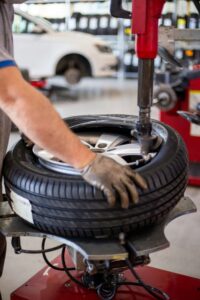
It is often the cheapest to purchase online and have them fitted locally. Balance of the wheels, inspection of your suspension and disposal of your old tyres will be done in most fitting centres at a small fee. Mobile fitting services are handy if you don’t want to drive on worn tyres.
Once fitted, have the tracking inspected in case of uneven wear on your old tyres. This little additional measure can ensure that your new tyres last much longer.
Final Thoughts
Good tyres are no luxury, they are one of the few components of your car that bring you in touch with the road. You can save money by simply doing a car part comparison and spending time to research what is available to you, without sacrificing safety.
The next time you find that your tyres need to replace them, it does not have to be the first offer you receive. Compare the prices, examine the labels and select based on the way and place of your driving. Your automobile will run better, you will feel safer and your pocket will know it.