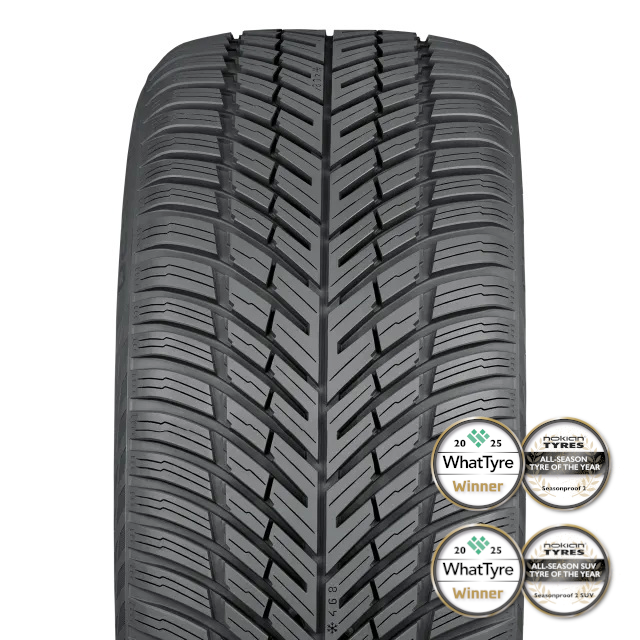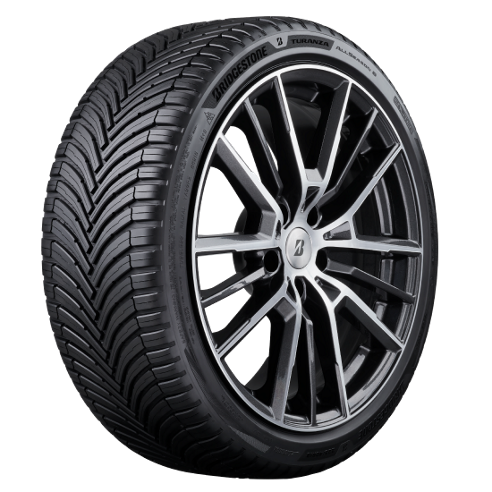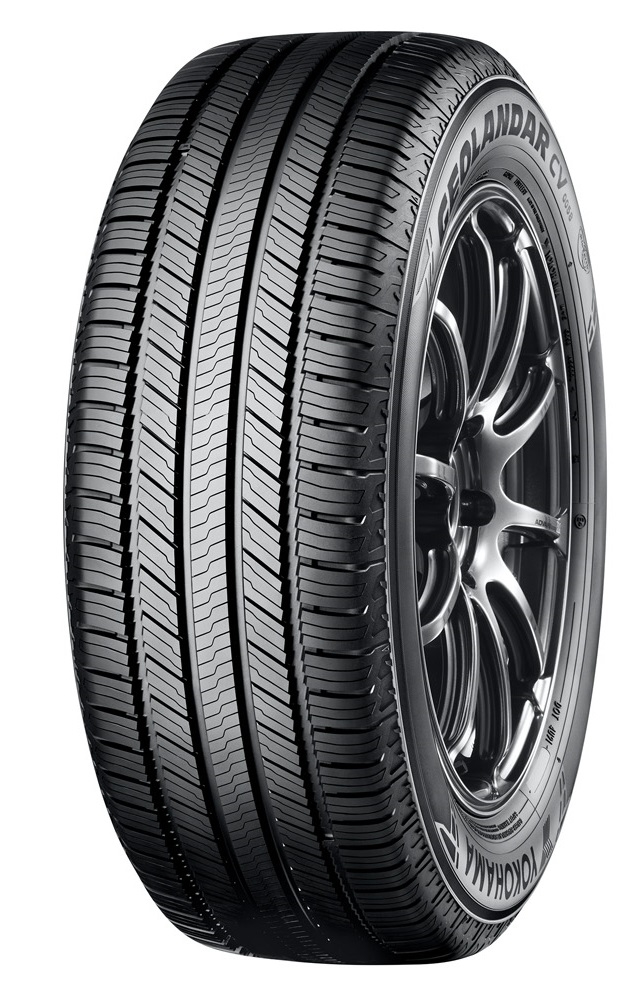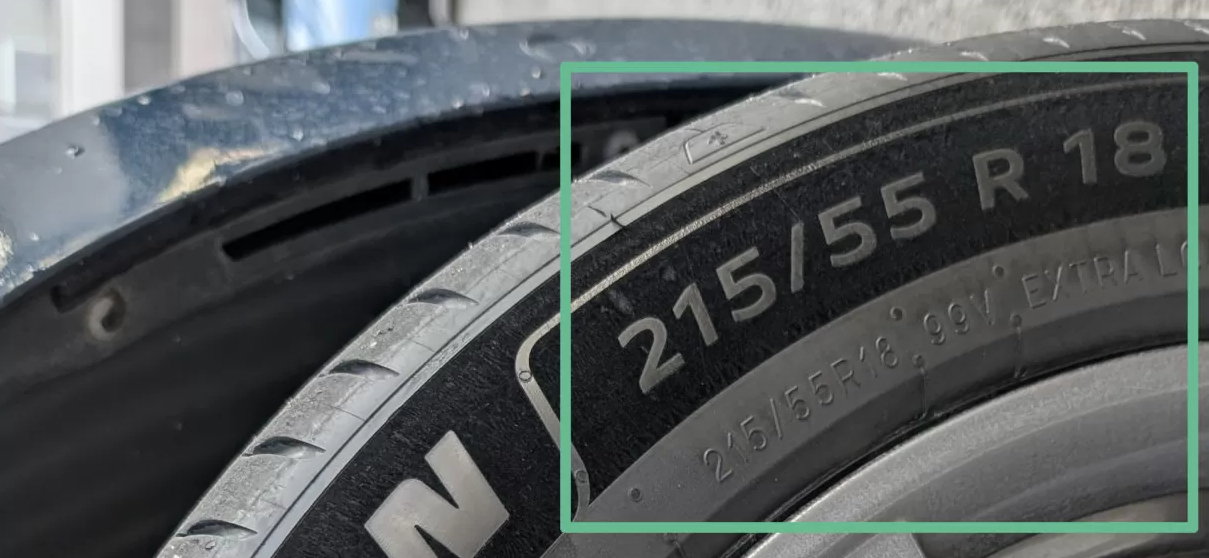
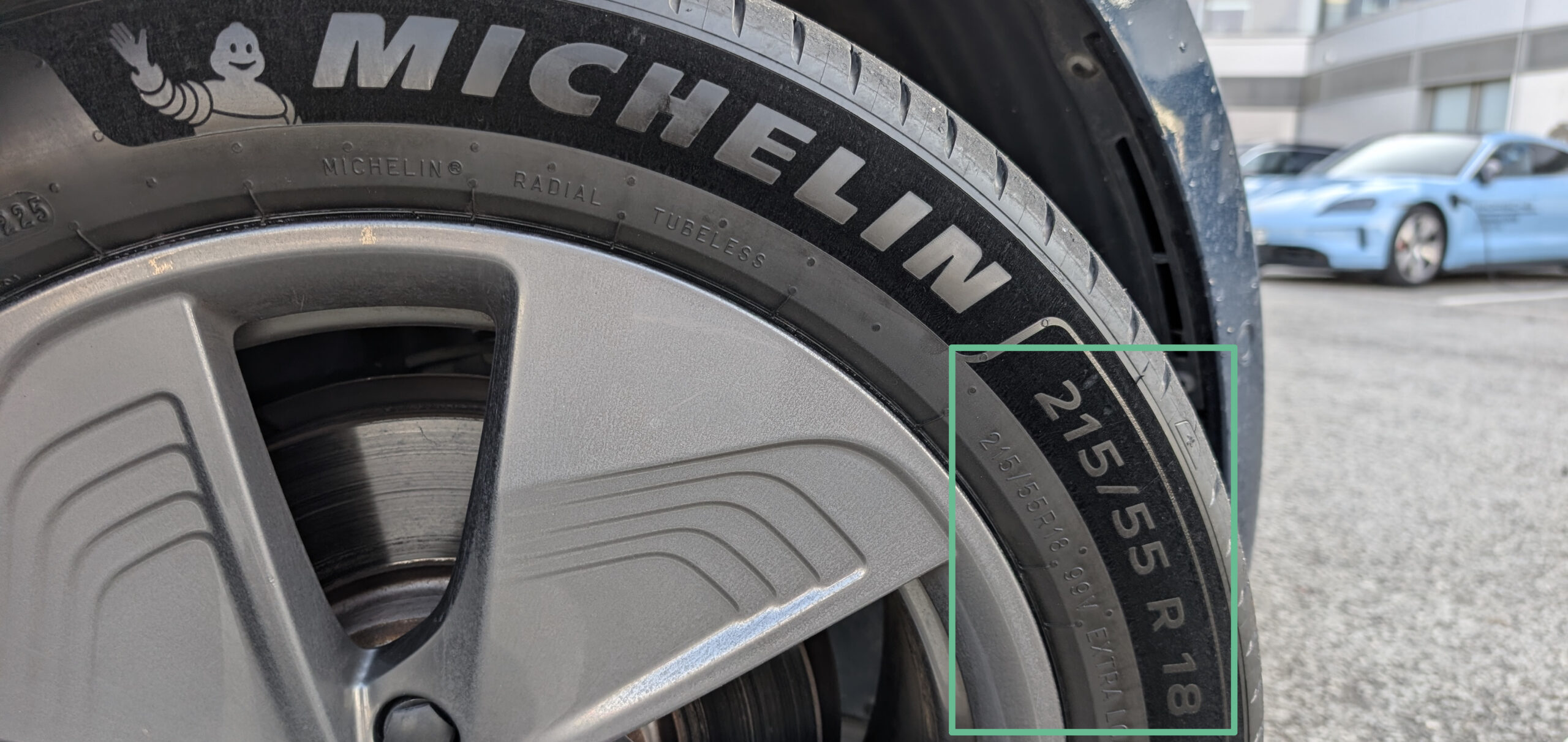
On this Michelin tyre, the tyre’s key dimensions (215/55R19) are listed next to the brand name, while the full size, including load and speed index (99V EXTRA LOAD) are added closer to the rim directly underneath (Photo: Andrew Bogie / Tyre Industry Publications)
When you are looking for tyres, especially online, you will find the best information, advice and deals if you know your tyre size. This is displayed on your current tyres’ sidewall, and we explain below how to read this and what it means. All quality tyre retail sites offer the abilty to search for tyres using the size.
Using the tyre size is much more reliable than using your car make and model, or even registration details, because car manufacturers have been fitting an increasing number of tyre specifications to new models over the last 20 years. Knowing your tyre size empowers you as a tyre buyer. It also means you do not risk spending time and money ordering the wrong tyres, or even worse, accidentally fit tyres that are not safe for your vehicle.
Where do I find my tyre size?
As we mentioned above, you will find your tyre size on the side of your current tyres. Tyre sidewalls contain a lot of information, but the size is usually quite prominent, in some of the largest, clearest typeface.
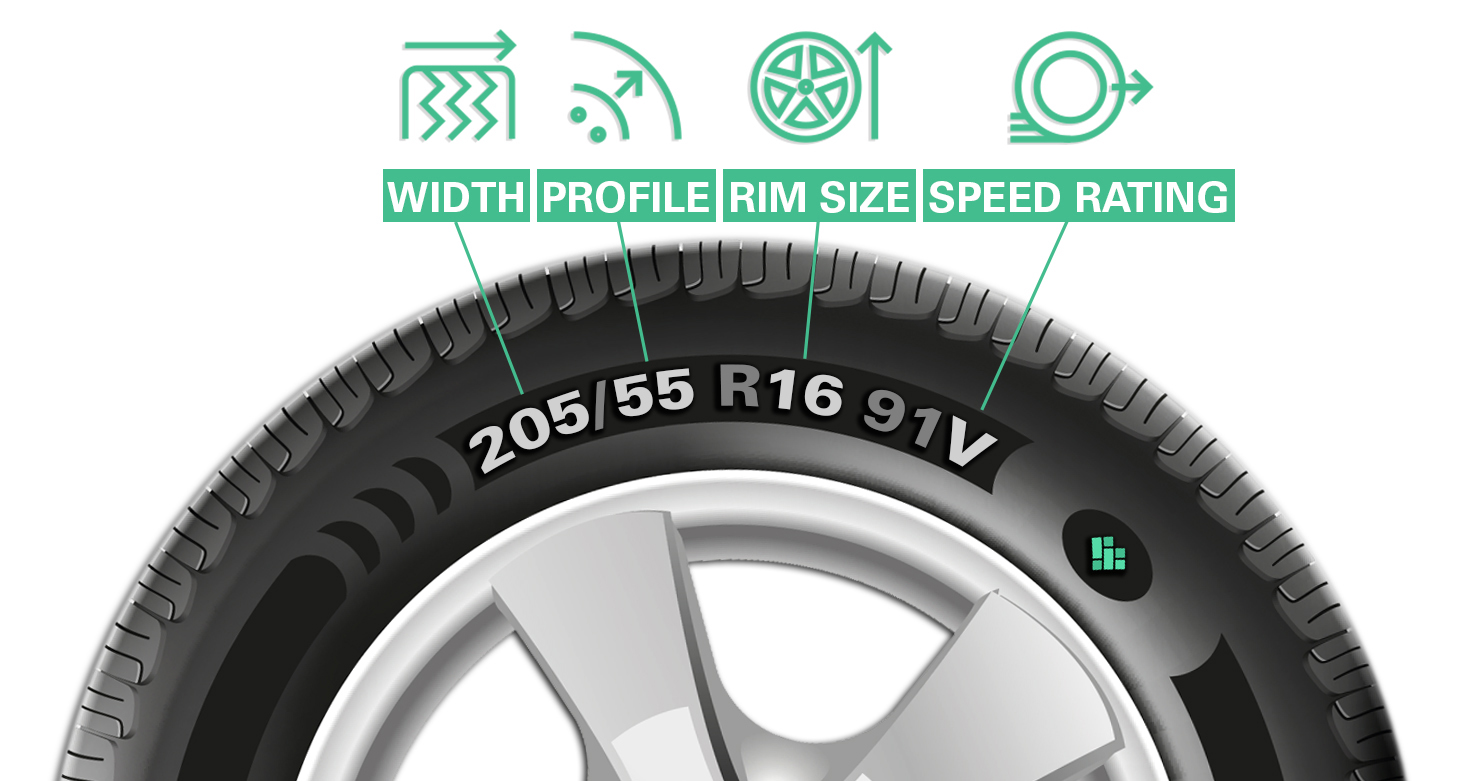
It consists of three key numbers; for example, 205/55 R16. Another few characters follow the size, like 91V on our example tyre image pictured above.
What do the numbers mean?
The size breaks down into three numbers. Using our example size, 205/55 R16, this is what each number means:
 205 is the width of the tyre tread in millimetres. This goes up in increments of 5. WhatTyre’s Search By Tyre Size function allows you to select widths between 165 and 305.
 55 refers to the profile of the tyre, or the distance between the wheel and the edge of the tyre, looking at it from the side. The number is the percentage of the width of the tyre. It is commonly known as the “aspect ratio”. So, the profile of our example tyre is 55% of 205mm, or 112.75mm. This number also increases in increments of 5.
 16 is the rim size, or the diameter of the inside of the tyre. It is expressed in inches and increases in increments of 1. WhatTyre’s Search By Tyre Size function currently allows you to search for tyres with rim sizes from 13 to 24.
Why is there an R in there?
The letter R means “radial” which is the way the tyre is constructed.
On some tyre models, you will find ZR instead of R. This means that the tyre has been constructed to withstand running at very high speeds, exceeding 149mph or 240km/h.
What do the numbers and letter after the tyre size mean?
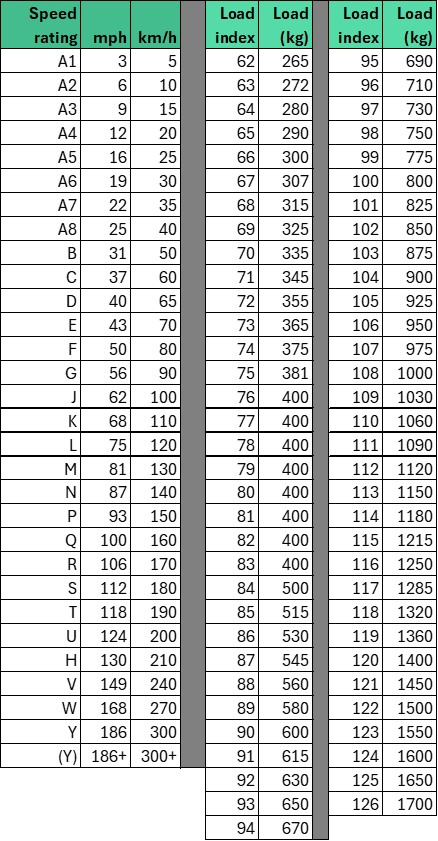
These figures show the limits of how you can use the tyre. The number is the “load index”, or how much weight the tyre can carry.
 The letter is the speed rating. This tells you the maximum speed the tyre is suitable for. This is the fourth and final part of your WhatTyre tyre search. Most car tyres for road use have a maximum speed between 118mph (T) and 187mph (Y).
Therefore, our example tyre has a maximum speed of 150mph as it has the speed rating V.
The load index of 91 means it can carry a load of 615kg. On some tyres – especially those designed for fitment on electric vehicles and SUVs – you will find “XL” or “Extra Load” written after the tyre size, meaning the tyre is constructed to carry additional weight.
We have included tables below that detail speed ratings and load indexes for your reference.