Long weekend trips can feel like freedom on four wheels. You finish classes, pack a bag, call your friends, and suddenly the open road looks like adventure itself. But for student drivers, excitement can hide real risks. A long drive is very different from going to school, work, or the local store. It asks more from your car, your body, and your decision-making.
So, what should student drivers know before heading out for a long weekend? Quite a lot, actually. The good news is that most problems can be avoided with simple planning. Think of it like studying for an exam. You do not want to walk in unprepared and hope for the best. In the same way, you should not start a road trip without checking the basics first.
In this article, you will learn how to prepare your car, plan your route, stay safe, manage money, and handle unexpected situations. Whether you are driving alone or with friends, these tips can help you enjoy the trip and return home safely.
Manage Fatigue, Food, and Focus
One of the biggest dangers on a long weekend trip is fatigue. Many student drivers underestimate how tiring driving can be. You are sitting down, yes, but your brain is working all the time. It is scanning signs, judging speed, watching mirrors, and reacting to other drivers. After hours on the road, that mental effort adds up.
Before a long trip, your mind should be clear as well as your schedule. Get a full night of real sleep, and do not start driving while worrying about deadlines, exams, or unfinished assignments. If school stress is distracting you, deal with it first by searching on the search engine “Who can write my paper for money?” because students can sometimes get help when they truly need it. Driving with a rested and calm mind helps you stay focused, make better decisions, and enjoy the road safely.
Eat light but regular meals. Heavy, greasy food can make you sleepy. On the other hand, skipping meals can make you weak or unfocused. Drink water often. Dehydration can make you tired and slow your thinking. Energy drinks may help for a short time, but they are not a replacement for rest.
Take a break at least every couple of hours, or sooner if you feel tired. If your eyes feel heavy, your reaction time slows, or you miss road signs, stop driving. Open a window, drink coffee, and play loud music are not reliable solutions. Sleepiness is not something you can “push through” safely.
Also, keep your phone use under control. Put it on a mount if you need navigation, and avoid texting completely. One message can wait. Your safety cannot.
Check Your Car Before You Leave
Before any long weekend trip, your car needs attention. Even a short issue can become a big problem when you are far from home. A car is a bit like a backpack for a long hike. If one strap breaks, the whole journey becomes harder.
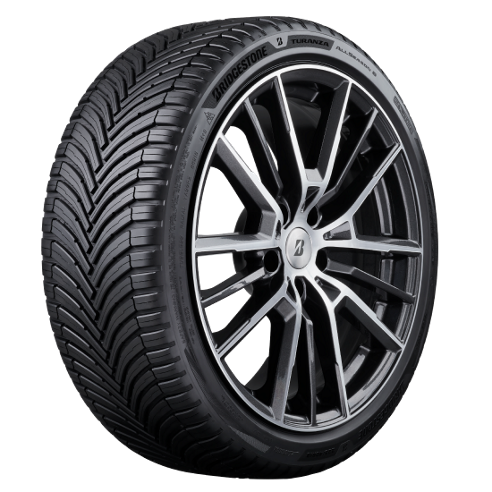
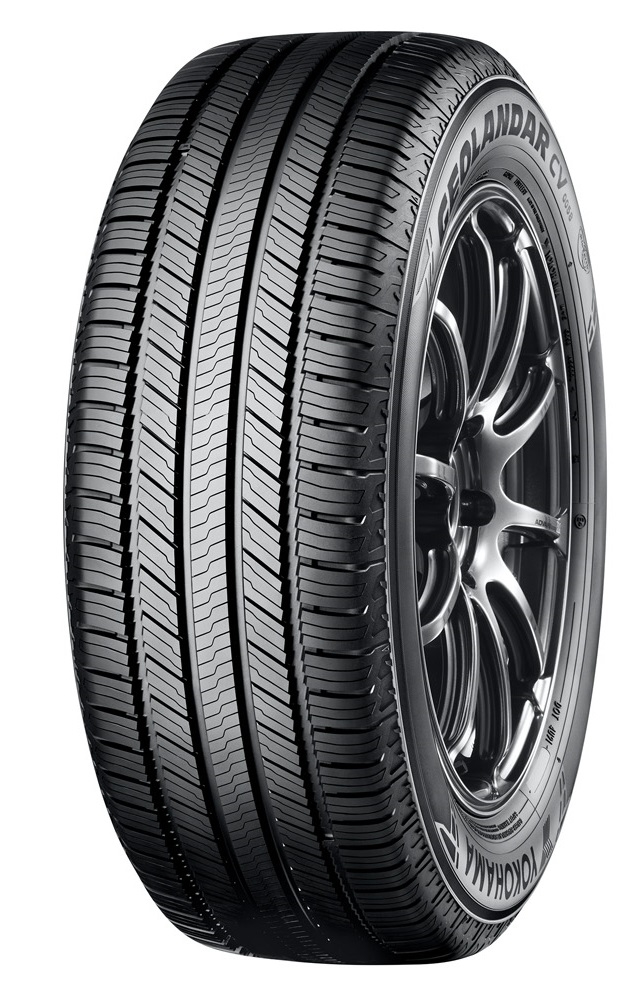
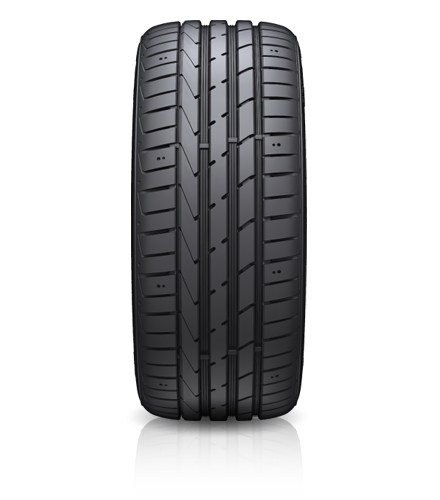
Start with the tires. Make sure they have enough air and check if the tread is still good. Worn tires can be dangerous, especially if it rains. Then check your brakes, lights, windshield wipers, and fluid levels. This includes oil, coolant, brake fluid, and windshield washer fluid. These may sound small, but they matter a lot on long drives.
You should also test the battery, especially if it is old. A dead battery in a parking lot is not the kind of weekend memory you want. Look at your fuel level too, and do not wait until the tank is almost empty on the road. In some areas, gas stations can be far apart.
If you are borrowing a family car or using a shared vehicle, do not assume everything is fine. Ask questions. Has the car been serviced recently? Is there a spare tire? Are the registration and insurance papers inside? These details may seem boring now, but they can save you time, money, and stress later.
What to Keep in the Car
Every student driver should carry a few emergency items. You do not need a full workshop in the trunk, but you do need the basics. Bring a phone charger, flashlight, jumper cables, first aid kit, water, snacks, and a reflective warning triangle if possible. A blanket can also help in cold weather.
It is also smart to keep paper copies of important phone numbers. If your phone battery dies or you lose signal, you may still need to call for help. A little preparation can turn a stressful moment into a manageable one.
Plan the Route, Not Just the Destination
Many student drivers focus only on where they are going. But the route matters just as much as the destination. A road trip is not only about arrival. It is about how you get there.
Use a navigation app before leaving and check the full route. Look for road work, toll roads, heavy traffic, and weather warnings. On long weekends, roads are often busier than normal. Everyone wants to travel at the same time, which can mean delays, crowded rest stops, and tired drivers everywhere.
Try to leave at a smart time. Late-night driving may sound peaceful, but it can be risky if you are already tired. Early morning can be better, especially if you want to avoid traffic. Also, tell someone where you are going and when you expect to arrive. It is a simple safety habit that many young drivers forget.
If the trip is long, plan rest stops in advance. Do not drive until your body forces you to stop. Build breaks into your schedule from the beginning. Stretch, walk around, drink water, and clear your mind. Your brain needs rest just as much as your car does.
Why Weather Matters More Than You Think
Weather can change a simple trip into a difficult one. Rain reduces visibility. Wind can affect steering. Fog can make roads feel like a mystery movie. And if you are not experienced, even light snow or ice can become dangerous quickly.
Check the forecast for the whole route, not only your destination. Conditions may be different in other towns or higher areas. If the weather looks bad, delay the trip or choose a safer route. There is no shame in changing plans. In fact, that is what responsible drivers do.
Understand the Risks of Driving With Friends
Driving with friends can make a long weekend trip more fun. There is music, conversation, jokes, and shared snacks. But there is also distraction. For student drivers, that can be a serious issue.
Passengers can affect your focus without even noticing it. Someone may talk too loudly, change the music, argue, or encourage risky behavior. Suddenly, your attention is split in too many directions. It only takes a second of distraction for something to go wrong.
Set rules before the trip starts. That may sound strict, but it helps everyone. Tell your friends that safety comes first. The driver chooses when to stop, how fast to go, and when the music needs to be lower. If someone is acting in a way that makes driving unsafe, speak up clearly.
Never let friends pressure you into speeding, racing, or using your phone while driving. That kind of pressure can feel small in the moment, but the consequences can be huge. A car is not a stage for showing off. It is a machine that needs respect.
If you feel nervous about driving a long distance with passengers, be honest about it. Confidence is good, but fake confidence is dangerous. Sometimes the smartest move is choosing a more experienced driver or sharing the driving if that is legal and practical.
Know the Costs and Be Ready for Problems
Long weekend trips can be more expensive than students expect. Gas, tolls, parking, food, and emergency costs can add up fast. Before leaving, make a realistic budget. This helps you avoid stress during the trip and prevents bad decisions later.
Split costs fairly if you are traveling with friends. Agree before the trip, not after. Who pays for gas? What about parking or snacks? A clear plan avoids awkward conversations and arguments.
You should also prepare for problems. What happens if the car breaks down? What if you get lost, get a flat tire, or need roadside assistance? These are not negative thoughts. They are smart questions. Responsible drivers do not expect disaster, but they do prepare for it.
Make sure you know how to contact roadside help if your insurance includes it. Learn the basics of changing a tire, even if you hope never to do it. Save emergency contacts in your phone. Keep some money available for unexpected costs.
Most importantly, know when not to drive. If you are too tired, upset, sick, or under the influence of alcohol or drugs, do not get behind the wheel. It is that simple. No party, event, or plan is worth risking your life or someone else’s.
A long weekend trip should feel exciting, not chaotic. The best journeys are not always the ones with the wildest stories. Sometimes they are the ones where everything went smoothly because the driver made smart choices from the start.
Build Good Driving Habits That Last Beyond One Trip
A long weekend trip is not only a travel experience. It is also a chance to build habits that will stay with you for years. Student drivers are still learning, and every drive teaches something. The question is whether you learn by planning well or by making avoidable mistakes.
Good habits begin before the engine starts. Checking the car, planning the route, resting well, and setting clear rules with passengers are not just “trip tips.” They are part of becoming a mature driver. Over time, these actions become automatic, like fastening your seatbelt.
Long drives also teach patience. You may face traffic, delays, bad weather, and confusing roads. In those moments, calm thinking matters more than speed. Safe driving is not about proving you are fearless. It is about proving you are responsible.
The road can be a great teacher, but only if you respect it. Student drivers who prepare well often enjoy more freedom because they make fewer dangerous mistakes. That is the real win.
In the end, what student drivers should know before long weekend trips is simple: preparation changes everything. Check your car, plan your route, manage distractions, respect fatigue, and expect the unexpected. When you do these things, you are not just protecting your trip. You are protecting your future. And that makes every mile worth it.