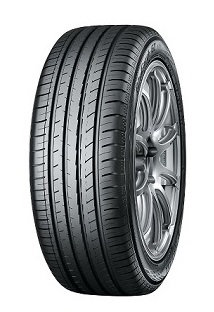
Choosing a career can feel like standing at a crossroads with too many signs pointing in different directions. University, college, part-time work, training programs, short courses—where should a student begin? For many young people who enjoy practical work, solving problems, and learning by doing, a tyre technician apprenticeship can be a smart and realistic path. It offers hands-on experience, real wages, and a clear route into the automotive industry.
The good news is that students do not need to wait for “the perfect time” to begin. In fact, they can start preparing right now. A tyre technician apprenticeship is not some distant dream locked behind years of study. It is a practical opportunity that often welcomes motivated beginners who are ready to learn, work safely, and build useful technical skills from day one.
In this article, we will look at how students can start tyre technician apprenticeships now, what the role involves, which skills matter most, and the exact steps that can help them move forward. If you want a career that keeps you active, teaches valuable trade skills, and opens doors in the automotive world, this could be your starting line.
What Does a Tyre Technician Do Every Day?
Before applying for an apprenticeship, students need to understand the job itself. After all, you would not jump into a race car without knowing the track, right? A tyre technician is responsible for fitting, repairing, replacing, balancing, and inspecting tyres on different vehicles. These may include cars, vans, trucks, and sometimes even agricultural or industrial vehicles.
The work is practical and varied. On one day, a technician may check tyre pressure, inspect tread depth, and fit new tyres for a family car. On another day, they might repair a puncture, align wheels, or advise customers on the safest tyre options for their driving needs. This means the job is not only physical but also technical and customer-focused.
Tyre technicians also play an important role in road safety. Tyres are the only part of a vehicle that touches the road, so their condition matters a lot. A worn or damaged tyre can increase stopping distance, reduce grip, and create serious risks. Because of this, tyre technicians must work carefully and follow safety rules at all times.
For students, this career path can open the door to a very different kind of education, where learning does not happen only in textbooks but also in workshops, service bays, and real working environments. In this field, education is often more hands-on and practical, mixing technical lessons with everyday problem-solving, teamwork, and direct experience with vehicles. That is why it is no surprise that some students, while learning to balance job duties and training, may sometimes feel overwhelmed and search for support by typing “write my paper” at a search engine when the pressure starts to build, but the good news is that help is always available from instructors, employers, mentors, and academic services. Step by step, apprentices can build confidence, gain discipline, and understand how the automotive world works in real-life situations. Just like building a strong foundation before raising the walls of a house, this kind of education prepares students for bigger opportunities in the future.
Why a Tyre Technician Apprenticeship Is a Smart Choice for Students
Many students worry that they need years of expensive education before they can start a good career. That is not always true. One of the biggest advantages of an apprenticeship is that it allows students to earn while they learn. Instead of sitting only in a classroom, apprentices split their time between training and real work.
This can be especially attractive for students who enjoy practical tasks more than academic theory. Some people learn best by reading books, while others learn best by using their hands. If you are the second type, an apprenticeship could fit you much better than a traditional path.
Another major benefit is experience. Employers often ask for experience, but how can students get it without a first chance? That is where apprenticeships shine. They are designed for beginners. Students can learn from experienced technicians, understand workshop routines, and build confidence step by step.
There is also long-term career potential. Starting as a tyre technician apprentice does not mean staying in the same place forever. Over time, apprentices can move into more advanced technical roles, workshop supervision, vehicle maintenance, customer service management, fleet service, or even specialist automotive areas. In other words, this path can begin with tyres, but it does not have to end there.
Perhaps most importantly, apprenticeships give students a sense of direction. Instead of feeling stuck between school and the working world, they begin moving forward immediately. That momentum matters. Sometimes the hardest part of any journey is simply taking the first step.
The Skills and Qualities Students Need to Get Started
Students do not need to know everything before applying for a tyre technician apprenticeship. Employers understand that apprentices are still learning. However, there are some skills and personal qualities that can make a big difference.
First, a student should be willing to learn. This sounds simple, but it is essential. A good apprentice listens carefully, follows instructions, asks sensible questions, and tries to improve every day. No one expects perfection at the beginning, but they do expect effort.
Second, students should be comfortable with practical work. Tyre fitting and repair involve tools, lifting, movement, and physical activity. It is not a desk job. Those who like active environments often enjoy it more.
Third, attention to detail matters a lot. A small mistake in tyre pressure, wheel balancing, or fitting can lead to bigger safety issues later. That is why careful working habits are so important. In this trade, being “almost right” is not good enough.
Fourth, communication skills help more than many students expect. Tyre technicians often speak with customers, team members, and supervisors. They may need to explain a tyre problem clearly or recommend a solution in simple terms. Being polite, clear, and professional can leave a strong impression.
Practical skills that make students stand out
Some basic practical abilities can help students look more prepared, even before they start an apprenticeship. These include:
- Using hand tools safely
- Following health and safety rules
- Working as part of a team
- Keeping a workspace clean and organised
- Managing time and arriving punctually
Students can build these habits through part-time jobs, school workshops, volunteer work, or even helping with simple mechanical tasks at home. Every small experience adds something useful.
Personal qualities employers often notice
Employers also pay attention to attitude. In many cases, attitude can matter just as much as technical knowledge. Students who show these qualities often have an advantage:
- Reliability
- Positive energy
- Respect for safety
- Willingness to work hard
- Calmness under pressure
Think of it like planting a seed. Technical skills grow over time, but the right attitude is the soil that helps everything else develop.
Steps Students Can Take Right Now to Find Apprenticeships
The word “now” is important here. Students do not need to wait until next year, after exams, or after some imaginary perfect moment. There are practical steps they can begin today to move closer to a tyre technician apprenticeship.
Start by preparing a simple, clear CV. It should include education, any work experience, practical skills, achievements, and contact details. Even if a student has never worked in a garage, they may still have useful experience from school projects, sports teams, weekend jobs, or volunteering. The key is to show responsibility, teamwork, and a willingness to learn.
Next, students should search for apprenticeship opportunities in local garages, tyre centres, automotive service chains, dealerships, and transport companies. Some positions may be advertised online, while others may be found by contacting employers directly. A polite email or in-person visit can sometimes open doors that job boards miss.
Students should also speak with career advisors, teachers, family members, and local employers. Opportunities often spread through conversation. It is a bit like tuning a radio—sometimes the signal becomes clear only when you ask the right people.
Another smart step is gaining basic industry awareness. Students can read about tyre safety, common vehicle maintenance tasks, and workshop health and safety rules. This helps them sound more informed in interviews and shows real interest in the trade.
They should also practise interview answers. Employers may ask why the student wants the apprenticeship, what they know about the role, and how they handle teamwork or responsibility. Good preparation can turn nervousness into confidence.
How to Succeed Once the Apprenticeship Begins
Getting the apprenticeship is only the beginning. To make the most of it, students need to approach the opportunity with the right mindset. The early weeks may feel challenging, and that is normal. Every trade has a learning curve. At first, the workshop may seem fast, noisy, and full of unfamiliar tools and routines. But over time, things become clearer.
One of the best habits an apprentice can develop is punctuality. Arriving on time, ready to work, sends a strong message. It shows respect for the team and proves the student can be trusted. In many workplaces, reliability becomes a person’s reputation.
Another important habit is asking questions. Some students stay quiet because they are afraid of looking inexperienced. But apprentices are supposed to be inexperienced at the start. Asking thoughtful questions shows interest and helps prevent mistakes. It is much better to ask than to guess, especially in a safety-focused environment.
Students should also accept feedback positively. Corrections are part of learning. A supervisor who points out an error is not trying to discourage the apprentice; they are helping them improve. Growth often feels uncomfortable at first, but that discomfort is usually a sign of progress.
Finally, apprentices should think beyond the present moment. Each day in the workshop builds future skills. Each tyre fitted correctly, each safety check completed carefully, and each customer interaction handled professionally adds to a strong career foundation. Little by little, confidence grows.
A tyre technician apprenticeship can be more than just a first job. It can be the gateway to a stable, skilled, and respected career. For students who are ready to work hard, learn quickly, and step into the real world, the opportunity is already within reach.
Starting now is not about knowing everything. It is about being ready to begin. Students can research the role, build a CV, contact employers, improve their practical habits, and show a strong attitude. Like changing a tyre before a long journey, the first action creates the confidence to keep moving. For any student looking for a hands-on future in the automotive industry, now is a great time to start.