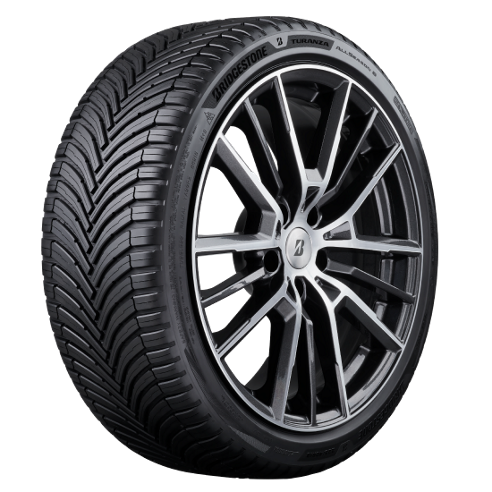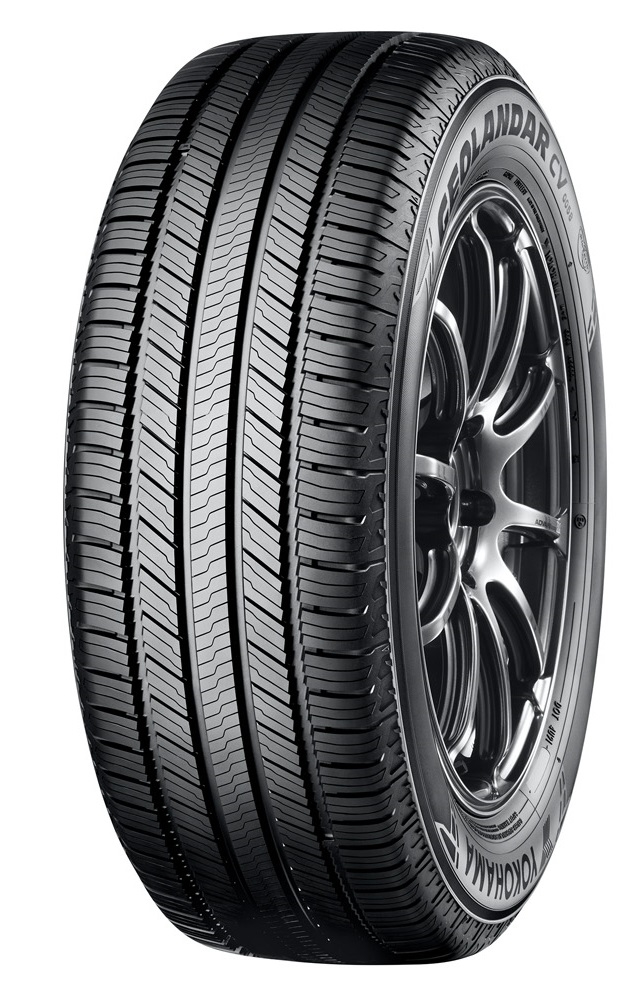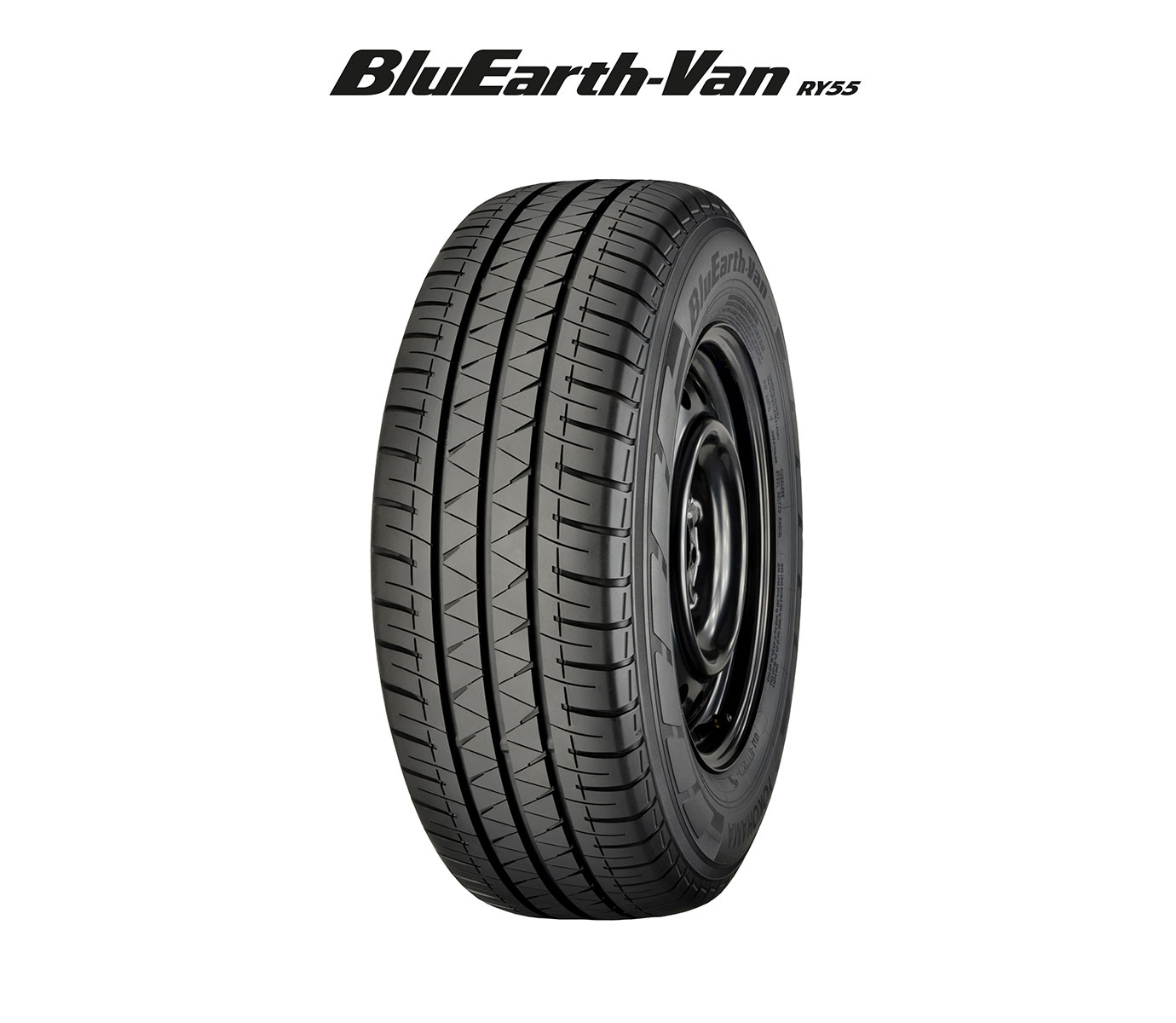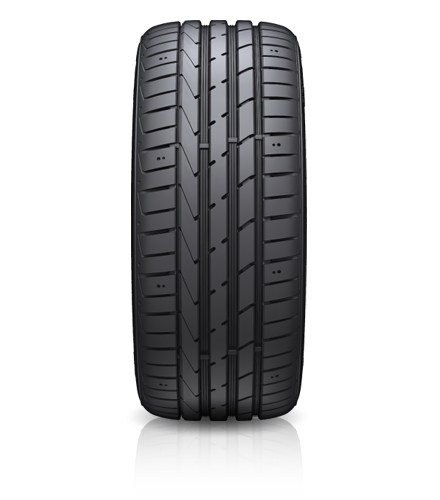
A car may spend most of a transport journey secured to a trailer, but its tyres still matter at both ends of the trip. The vehicle has to be loaded, restrained, unloaded and driven away safely. A soft tyre, hidden sidewall injury or badly worn tread can complicate those steps and turn a straightforward collection into an avoidable delay.
Whether a car is being moved after an online purchase, a house move or a restoration project, a few sensible checks can protect the vehicle and make handover easier. The aim is not to prepare the car for a cross-country drive. It is to make sure it is roadworthy, accurately documented and ready for the particular demands of professional transport.
Start With a Careful Tyre Inspection
Check all four tyres several days before collection rather than leaving the job until the transporter arrives. This gives you time to address anything that needs professional attention. Look across each tread and around both visible sidewalls for cuts, cracking, bulges, exposed cords or objects embedded in the rubber. A bulge can indicate internal structural damage and should not be ignored simply because the tyre is still holding air.
Measure the tread at several points because wear is not always even. The inner shoulder can be considerably more worn than the outer edge, particularly where wheel alignment has been neglected. UK rules require car tyres to have at least 1.6mm of tread across the central three-quarters of their width and around the full circumference. The Highway Code’s specific vehicle-maintenance guidance also says tyres must be inflated to the vehicle manufacturer’s specification for the load.
Do not overlook the spare wheel if the car carries one. Although it will not support the vehicle during normal transport, a usable spare can be valuable if a puncture is discovered at delivery. Check any sealant kit or compressor as well, including its expiry date and power lead.
Set Pressure for the Vehicle, Not the Trailer
Inflate each tyre to the vehicle maker’s recommended cold pressure. The correct figures are normally shown in the handbook, on the driver’s door frame or behind the fuel flap. Do not use the maximum pressure moulded into the tyre sidewall; that is not the same as the recommended operating pressure.
It can be tempting to add extra pressure because the car is travelling a long distance, but the distance covered by the transporter does not alter the correct setting. Overinflation reduces the tyre’s contact patch and can make loading or unloading less predictable. Underinflation allows excessive sidewall flex and may make the car harder to position, especially if it needs to be winched.
Pressure should be checked when the tyres are cold. If a reading repeatedly falls after inflation, arrange an inspection for a puncture, leaking valve or wheel-rim problem. Tell the transport company in advance if the car cannot roll, steer or brake normally. Non-running vehicles often need different loading equipment, and an accurate description allows the carrier to plan safely.
Prepare the Whole Car for Collection
Tyres are only one part of a good handover. Wash the exterior so that existing chips, dents and scratches are easy to see, then take clear, time-stamped photographs from every side. Include close images of the wheels, tyre sidewalls and any existing damage. Record the mileage and retain a copy of the condition report signed at collection.
Remove loose items from the cabin and boot unless the carrier has expressly agreed to take them. Personal belongings can move around, add unrecorded weight and may not be covered by the same terms as the vehicle. Take off removable accessories such as aerials, roof boxes and cycle racks. Fold the mirrors where appropriate, close the windows and make sure the alarm will not repeatedly activate in transit.
For owners arranging a move within the United States or an international shipment, A1 Auto Transport for car shipping services provides options for different vehicle types and routes. Discuss whether open or enclosed transport suits the car, confirm how collection and delivery access will work, and disclose modifications such as lowered suspension, oversized tyres or non-standard bodywork before booking. Those details can affect ramp clearance, tie-down methods and the equipment required.
Leave only the amount of fuel requested by the carrier—often around a quarter of a tank—and check for fluid leaks. A heavy fuel load adds unnecessary weight, while an almost empty tank may be inconvenient if the car needs to be repositioned. Keep the battery charged and make sure the handbrake, steering and service brakes operate correctly.
Think About Wheels, Modifications and Restraints
Transport operators use equipment and securement methods suited to the vehicle and trailer. Owners should not attempt to dictate improvised tie-down points, but they should flag anything unusual. Very low-profile tyres, large alloy wheels, wheel spacers, air suspension and reduced ride height can all change how a car is loaded or restrained.
Photograph expensive or recently refurbished wheels in detail. If a locking wheel-nut key is needed, place it somewhere agreed with the carrier and note its location on the handover paperwork. Avoid fitting tyre dressings immediately before collection; a clean, dry surface makes condition inspection easier and reduces the chance of slippery residue reaching controls or loading surfaces.
Tread depth also deserves more than a last-minute visual glance. TyreSafe advises motorists to check tread monthly and before long trips, and its practical tread-depth guide explains both the 20p test and the use of a dedicated gauge. Even though a transported car is not accumulating motorway miles, it may still need to be driven to a suitable meeting point and from the delivery location afterwards. Marginal tyres should therefore be dealt with before, not after, the move.
Check Again at Delivery
Arrange delivery in daylight where possible and leave enough time to inspect the car before signing. Compare the vehicle with the collection photographs and condition report. Look at the bodywork, wheels and visible tyre sidewalls, then check that pressures appear normal before driving away. If you find new damage, photograph it immediately and record it on the delivery paperwork rather than relying on a later verbal report.
Pay attention during the first few miles. A pressure warning, vibration, steering pull or unusual noise warrants a safe stop and inspection. Long periods parked in one position can sometimes make a temporary flat spot noticeable, especially in cold conditions, but persistent vibration should be examined by a tyre professional.
Good preparation is mostly a matter of removing uncertainty. Sound tyres, correct pressures, honest disclosure and a detailed condition record help the carrier handle the vehicle properly and help the owner assess it confidently on arrival. That makes the journey safer at the loading ramp, at the delivery point and on the road beyond.