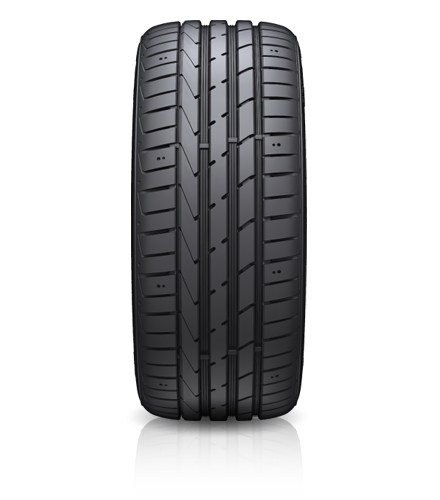
When a Tyre Shows What Sellers Won’t
Picture this. You walk into a salvage or public auto auction. Rows of vehicles stretch ahead. Prices look tempting. One buyer crouches near a front tire, studies the compound for thirty seconds and walks away without bidding. Later that car sells at a steep price. Three weeks on the new owner discovers the car needs new tires and geometry work. That buyer who walked knew exactly what to look for. A tyre carries a full story about a vehicle’s past if you know how to read it.
Auctions move fast. Bidders rarely get long for a pre-sale walkthrough. That pressure rewards preparation. Before placing your first bid at any salvage or dealer auction read through a proven SCA Auction bidding strategy guide that covers pre-bid walkthroughs, lot timing and how to stay disciplined when the clock runs. Know when you need new information about a lot — tyre knowledge gives you exactly that edge.
The Tyre as a Behavioural Archive
Every mile the car is driven etches habits into the compound. Hard braking, sharp cornering and neglected inflation all leave marks on the compound records permanently. When you check a set of car tyres at auction you read how the previous driver treated the vehicle across every season.
Tyres’ age and degradation together form the fastest free diagnostic available at any lot. The tread pattern shows whether the previous driver maintained proper geometry. The outer wall reveals whether they neglected the life of your tyres through careless storage near sunlight.
Here is a fast-reference table of what each position zone signals:
| Zone | What You See | Likely Cause |
| Centre strip | Faster depth loss than shoulders | Over-inflation |
| Both shoulders | Faster depth loss than centre | Under-inflation |
| One shoulder only | Faster depth loss on one edge | Camber or toe fault |
| Diagonal patches | Scalloping or cupping | Shock absorber fault |
| Outer wall | Protrusion or fractures | Impact damage or age |
| Inner edge | Abraded more than outer edge | Camber error |
Tread Depth: The Number That Decides Safety
Tread depth is the single most important measurement you need to look at on any tire. The tread is designed to channel water away from the contact zone. As depth drops the ability to disperse water drops with it. The tire begins to lose grip — in worst cases will lose traction completely — and hydroplaning becomes a genuine risk in wet conditions.
Car manufacturers suggest replacing well before the legal minimum of 1.6 mm. Many experienced buyers treat 3 mm as the personal cut-off. Once the tread is worn to minimum depth the tyre is worn past the window where safe braking is predictable.
Two quick methods work without specialist tools:
The Coin Test- Insert a penny into the groove at the deepest part of the tread. If you can see the full face of the figure then much tread has already gone. This quick trick gives a rough read in under ten seconds.
The Tread Wear Indicator Method- Modern tires carry built-in wear indicators — small raised bars sitting at the tread base. When the surrounding tyre tread becomes flush with that bar it’s time for new rubber. If that bar sits flush with the surrounding compound the lot car requires replacement tyres before it is road-ready.
Check the front and rear tyres separately. Front tires often wear faster because they steer and accelerate simultaneously. That gap in depth between the front set and back set reveals whether proper tyre pressure and regular rotation were part of a scheduled routine or whether the previous driver stayed vigilant about nothing.
Uneven Wear Patterns and What They Cost
This pattern is the loudest red flag at auction. A tire that has worn at consistent depth suggests correct inflation, sound mechanics and regular tyre care. A tyre that has worn unevenly tells a different story that costs money to fix.
- Centre-heavy loss: Chronic over-inflation. That habit often extends to every other ignored item on the car.
- Both-shoulder erosion: Chronic under-inflation. A tire running soft grinds its edges and runs hotter which shortens life. Tyres need attention at the first sign of low pressure.
- Single-shoulder degradation: One edge losing depth faster than the other is the wheel alignment signal. The fix at minimum is a geometry correction.
- Cupping or scalloping: Dips around the circumference point toward worn shock absorbers — a suspension fault writing itself into the tread.
Outer Wall Warning Signs
The outer wall carries information the tread alone doesn’t show. You need to examine it closely — examine every inch during any walkthrough. Two conditions demand attention.
Structural Damage- A visible protrusion on the outer wall means internal structural damage. Any tire with a bulge needs to be replaced before the vehicle moves on public roads. That is non-negotiable.
Age Fracturing- The compound hardens and fractures as years pass especially under UV exposure. After 6 years most tires begin developing small cracks across the outer wall even if tread depth looks acceptable. Tyres may appear sound from across the lot but a hands-on check at the outer wall reveals what photos never show. Any tire showing this kind of fracturing is unsafe at highway speed.
Automakers stamp a four-digit production date code on every tire sidewall. The last two digits show the production year. Factor any tire past that threshold into your repair budget.
Matching Sets and Inflation History
Walk around the full vehicle and compare all four positions. A full set of Bridgestone tires at consistent depth suggests deliberate upkeep and quality compound selection. Mismatched sets across an axle raise concern. Different tread designs on the same axle change how the car can handle in emergency situations. Find tyres from four different makers with four different depth readings and you find patchwork repairs — the owner bought a new tire only when a single failure forced action.
Automakers design tire systems to ensure contact with the road surface remains stable. When a previous owner respected that design those mechanical systems likely received similar care.
Tyre pressure is also the simplest maintenance task any driver faces. When left and right tires on the same axle show different depth readings one tire often developed a slow puncture that was never properly fixed. The driver would inflate one side and drive on. Track left-to-right depth on each axle. A mismatch between sides signals broader neglect.
The Five-Minute Auction Walkthrough
A structured walkthrough covers every critical signal before you bid:
- Front left tire — check depth at centre and edges. Look for cupping. Check the outer wall for protrusion and fractures. Note brand.
- Rear left tire — compare depth with front left. Note scalloping.
- Rear left versus rear right — matching depth on both back tires is a positive sign. Cupping on those back tires signals damper problems.
- Front right tire — complete the circuit. Compared with the front left.
- Step back — are all four from the same maker? Are any tires that need to be replaced legally before the car is road-worthy?
Stay safe at every lot by running this sequence before placing any bid. This walkthrough is the fastest free diagnostic at auction and makes every bid safer.
Conclusion
Every tire is an archive. Depth records how far the car ran on degraded compounds. A vehicle forced to brake on worn compound in wet weather tells the whole story. The degradation pattern maps inflation and geometry history. The outer wall reveals impact events and age damage. Together these signals give any auction buyer more information than most sellers plan to share.
Replace your tyres budget estimates with real repair figures whenever multiple red flags appear together. The lot needs deeper investigation before any money moves when signals stack — and the tyres tell you exactly when that moment arrives.
FAQ
Can a flat tire at auction tell me anything useful? One flat tells you little on its own. Check the other three. If they show consistent wear imbalance or mismatched brands the flat fits a broader neglect pattern. If the three others look solid the flat may be a transport issue — far less alarming.
How does tire age affect a low-mileage car? Compound degrades through reactions triggered by heat, ozone and UV degradation — not just by distance. A car stored outdoors with 10,000 miles on it may have tires that are hazardous despite almost-new depth readings. The four-digit date code on the outer wall tells you the production year. Any tyre past the six-year mark warrants a close look regardless of remaining depth.
Does matching depth across both axles mean the owner rotated regularly? Usually yes. Equal depth across all four positions suggests the owner followed a consistent rotation schedule. That habit typically signals the car’s maintenance routine extended to other scheduled services too.
What does cupping on back tires mean specifically at auction? Cupping on back tires points strongly toward worn shock absorbers. The bounce cycle that creates the scalloped pattern comes from a damper that can no longer reduce wheel movement. That repair adds significant cost and should factor into your maximum bid.
Is it worth bidding when the tyre condition is poor across all four positions? Assess whether you need new tires or whether new tyres AND deeper mechanical work are both needed. Even end-of-life depth with no mechanical signals means buy new tires and proceed. But when those tyres show cupping alongside outer-wall fracturing and mismatched brands all at once those signals represent a situation that needs a mechanic’s inspection before any bid. That moment calls for stepping back before committing to a troubled lot.