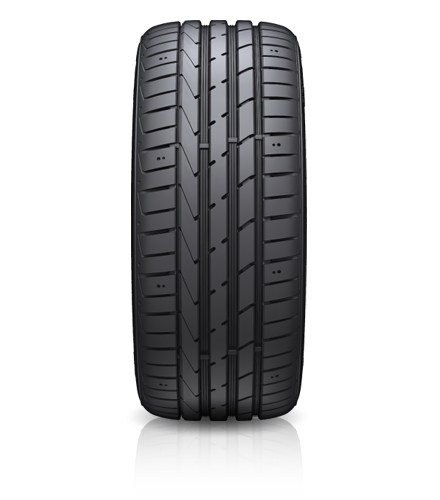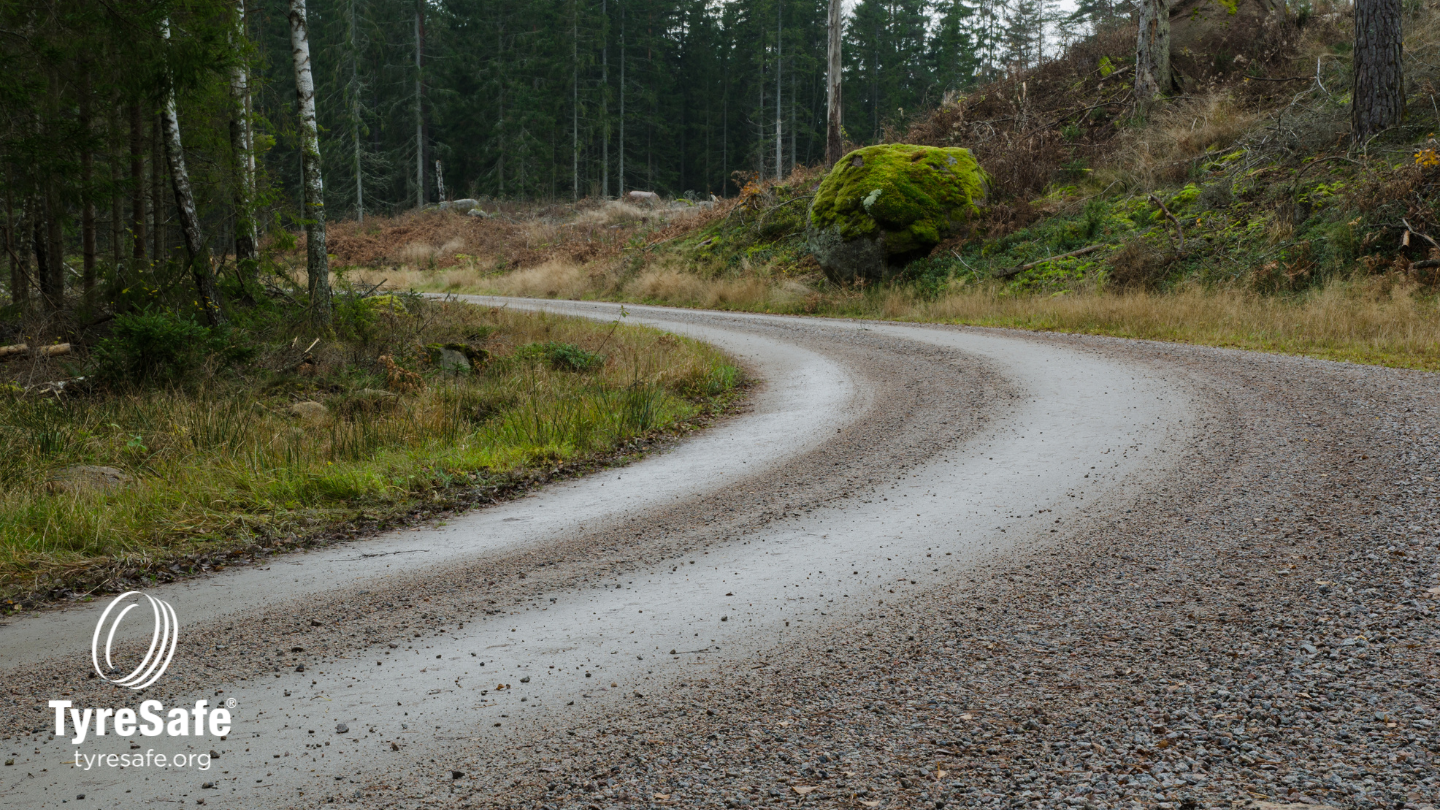
Britain’s rural roads can be beautiful, but they are also among the most demanding places to drive. Sharp bends, blind crests, narrow lanes, broken surfaces, mud, standing water and unexpected hazards such as tractors, cyclists, horse riders and pedestrians can all appear with little warning. That is why TyreSafe is urging drivers to make simple tyre checks part of their routine, especially before longer trips through the countryside.
The warning follows the latest NFU Mutual Rural Road Safety Report, which highlights the scale of the risk on countryside routes. According to the report, 9,884 people have lost their lives on rural roads over the past decade, including 956 fatalities in 2024 alone. Rural road deaths were 72% higher than on urban roads and more than ten times the number recorded on motorways.
Tyres are the only part of your car in contact with the road, so their condition matters whenever grip, braking and steering response are tested. On rural roads, that can happen more often than drivers expect. A bend may tighten suddenly, water may collect in a dip, loose gravel may reduce grip, or a slow-moving agricultural vehicle may require firm braking. In each case, well-maintained tyres give the vehicle a better chance of responding as intended.
TyreSafe says the basics are easy to remember using its ACT message: Air pressure, Condition and Tread. These checks should be carried out at least once a month and before long journeys.
A – Air pressure: Check pressures when tyres are cold, using a reliable gauge and the values listed in the vehicle handbook, fuel filler flap or door frame. Correct pressure supports braking, handling, fuel economy and tyre life. Underinflated tyres can overheat and wear more quickly, while overinflated tyres can reduce the tyre’s contact with the road.
C – Condition: Look closely for cuts, cracks, bulges, nails, stones or other objects embedded in the tread. If you find visible damage, do not ignore it. A tyre professional can assess whether the tyre is safe to use or needs replacing.
T – Tread: For passenger cars in the UK, the legal minimum tread depth is 1.6mm across the central three-quarters of the tyre and around the full circumference. Tread is especially important in wet conditions because it helps clear water from beneath the tyre. Low tread depth can increase the risk of aquaplaning and reduce grip when braking or cornering.
TyreSafe points out that defective tyres remain a serious road safety issue. On average, 153 people are killed or seriously injured each year in incidents where defective tyres are recorded as a contributory factor, and the latest figure of 172 tyre-related killed or seriously injured casualties is above the five-year average. Analysis of fatal collision investigations also found that many tyre defects were linked to poor maintenance.
Stuart Lovatt, chair of TyreSafe, said rural roads place greater demands on drivers and vehicles, adding that tyres play a critical role in helping road users brake effectively, corner safely and respond to unexpected hazards. He said many tyre-related incidents are preventable and encouraged road users to take a few minutes each month to check their tyres.
For drivers planning summer journeys, rural breaks or trips through farming areas, the advice is simple: slow down, expect the unexpected and check your tyres before you set off. A few minutes spent checking air pressure, condition and tread could help keep you, your passengers and other road users safer.