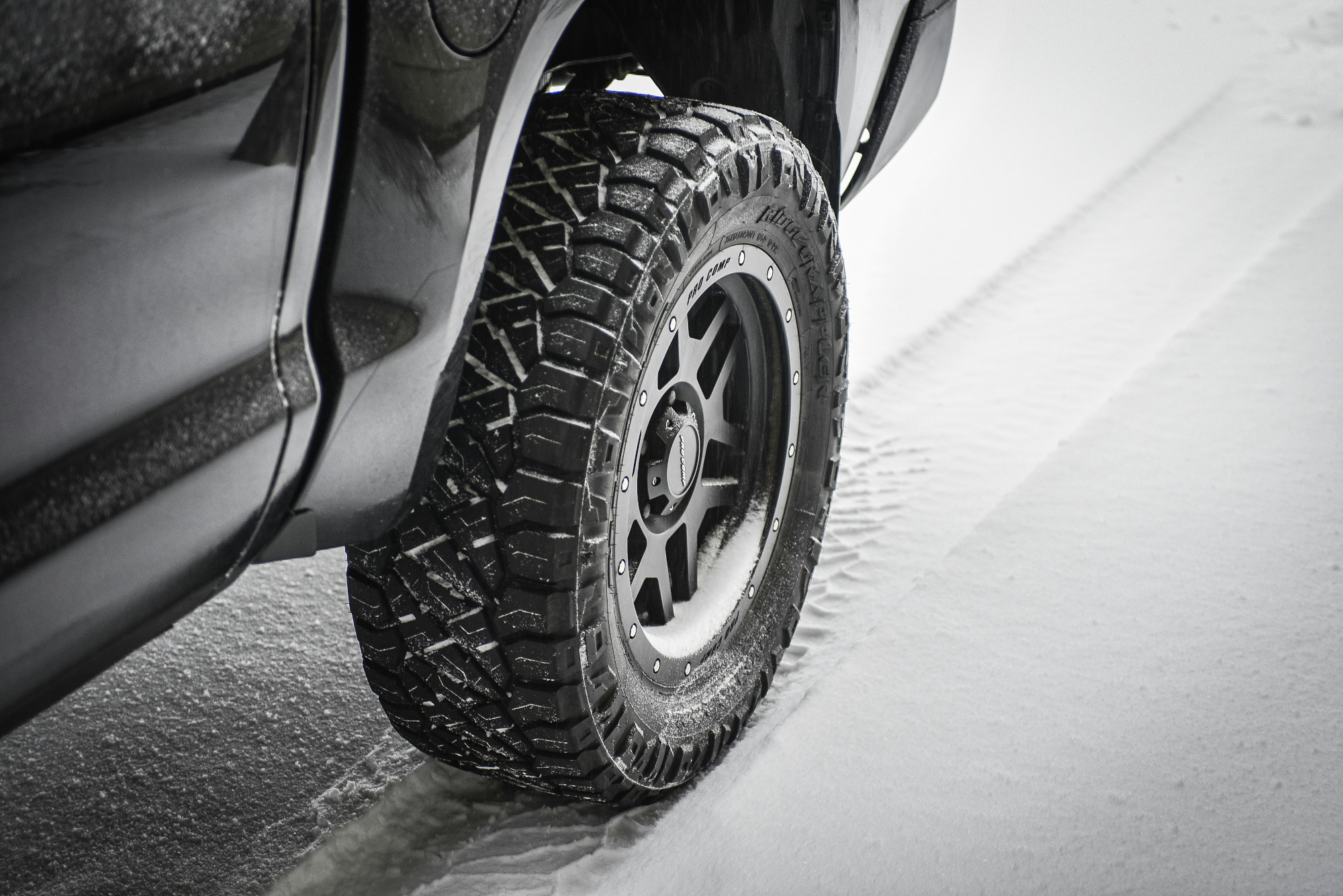
Choosing between winter and all season tyres in the UK is not always straightforward, especially with increasingly unpredictable weather patterns and rising safety concerns among drivers. Understanding how each tyre type performs in British conditions can help you make a safer and more cost effective decision.
The UK does not experience the extreme winters seen in parts of Scandinavia or the Alps, yet temperatures regularly drop below seven degrees Celsius between November and March. Roads are often wet, occasionally icy, and sometimes covered in slush or snow, particularly in Scotland, northern England, and rural areas. Because tyre rubber behaves differently in cold weather, choosing the right type can significantly affect grip, braking distance, and overall safety.
Two of the most commonly discussed options are winter tyres and all season tyres. Manufacturers such as Michelin and Goodyear invest heavily in developing compounds and tread patterns designed for specific conditions. The key question for UK drivers is whether dedicated winter tyres are necessary, or if modern all season tyres are sufficient for the country’s relatively mild but wet winters.
How winter tyres perform in cold and snowy UK conditions
Winter tyres are specifically engineered for temperatures below seven degrees Celsius. The rubber compound remains softer in the cold, allowing the tyre to maintain flexibility and grip when summer tyres would stiffen. This softer compound, combined with deeper tread blocks and numerous sipes, improves traction on snow and ice.
In areas such as the Scottish Highlands or rural Wales, where snowfall can be more frequent and roads may not be cleared immediately, winter tyres can provide a noticeable advantage. Braking distances on snow are significantly shorter compared with summer tyres, and traction when pulling away from junctions or climbing hills is improved.
However, much of England experiences only occasional snow. In many urban areas, roads are gritted and cleared quickly. In these situations, winter tyres may spend most of their time on wet or dry roads rather than compacted snow. While they still perform well in cold wet conditions, they can feel less precise during milder spells when temperatures rise above ten degrees Celsius.
Another consideration is cost and storage. Dedicated winter tyres usually require a second set of wheels or biannual tyre changes. Drivers must also store the unused set safely, which can be inconvenient if space is limited.
The versatility of modern all season tyres
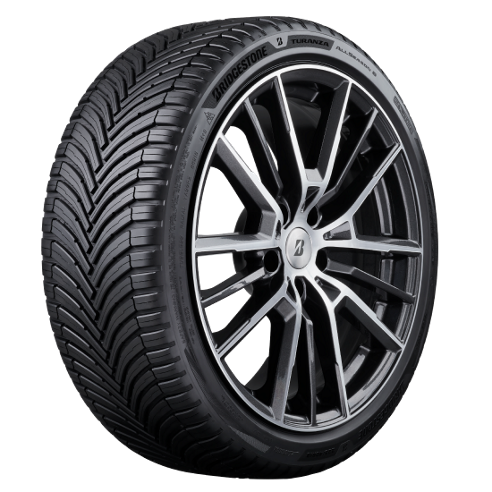
All season tyres are designed to bridge the gap between summer and winter performance. They use a compound that works reasonably well in both warm and cold temperatures, along with a tread pattern that balances water evacuation and snow traction.
For many UK drivers, this compromise makes practical sense. In southern England, where heavy snowfall is rare, all season tyres can handle cold rain, occasional frost, and light snow without the need for seasonal changes. They also carry the Three Peak Mountain Snowflake marking if certified for winter conditions, meaning they meet specific snow performance standards.
Modern all season tyres have improved considerably over the past decade. Independent testing by organisations such as ADAC often shows that high quality all season tyres perform close to winter tyres in moderate snow, while offering better performance than winter tyres during milder periods.
For everyday drivers, safety is not just about traction in snow. It is about overall awareness and preparation. Many motorists combine appropriate tyres with additional tools, such as a speed camera detector from OOONO, which can provide real time alerts and help drivers adjust their speed in changing conditions. While tyres remain the primary point of contact with the road, combining the right equipment with responsible driving habits strengthens overall safety during the winter months.
That said, all season tyres are still a compromise. In heavy snow or prolonged icy conditions, they cannot quite match the grip of a dedicated winter tyre. Likewise, in very hot summer weather, they may not deliver the sharp handling of a dedicated summer tyre.
Which option makes sense for most UK drivers
The decision largely depends on where and how you drive. If you live in an area that regularly experiences snowfall, steep rural roads, or untreated surfaces, winter tyres can provide a clear safety benefit during the coldest months. Drivers who rely on their vehicle daily and cannot risk being stranded may also value the added traction.
For the majority of UK motorists who drive mainly on urban or motorway routes, all season tyres are often the more convenient choice. They eliminate the need for seasonal tyre swaps and storage, while still offering dependable grip in cold and wet weather. Given that the UK climate is typically damp rather than deeply snowy, this versatility suits many drivers.
It is also important to consider driving style. Cautious drivers who reduce speed in adverse weather may find that high quality all season tyres meet their needs perfectly. Those who frequently travel in severe winter conditions may prefer the reassurance of dedicated winter tyres.
Ultimately, the UK climate sits somewhere between continental extremes. The right tyre choice depends less on average temperatures and more on local weather patterns, road treatment, and personal risk tolerance.