Wheel alignment is one of those maintenance jobs many drivers only think about when something feels wrong. But keeping your wheels correctly aligned can help your tyres last longer, improve the way your vehicle drives and even reduce fuel use.
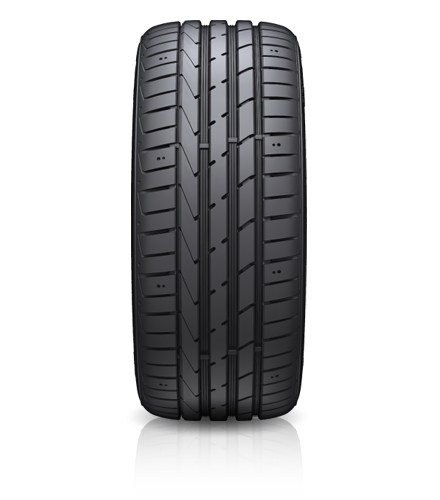
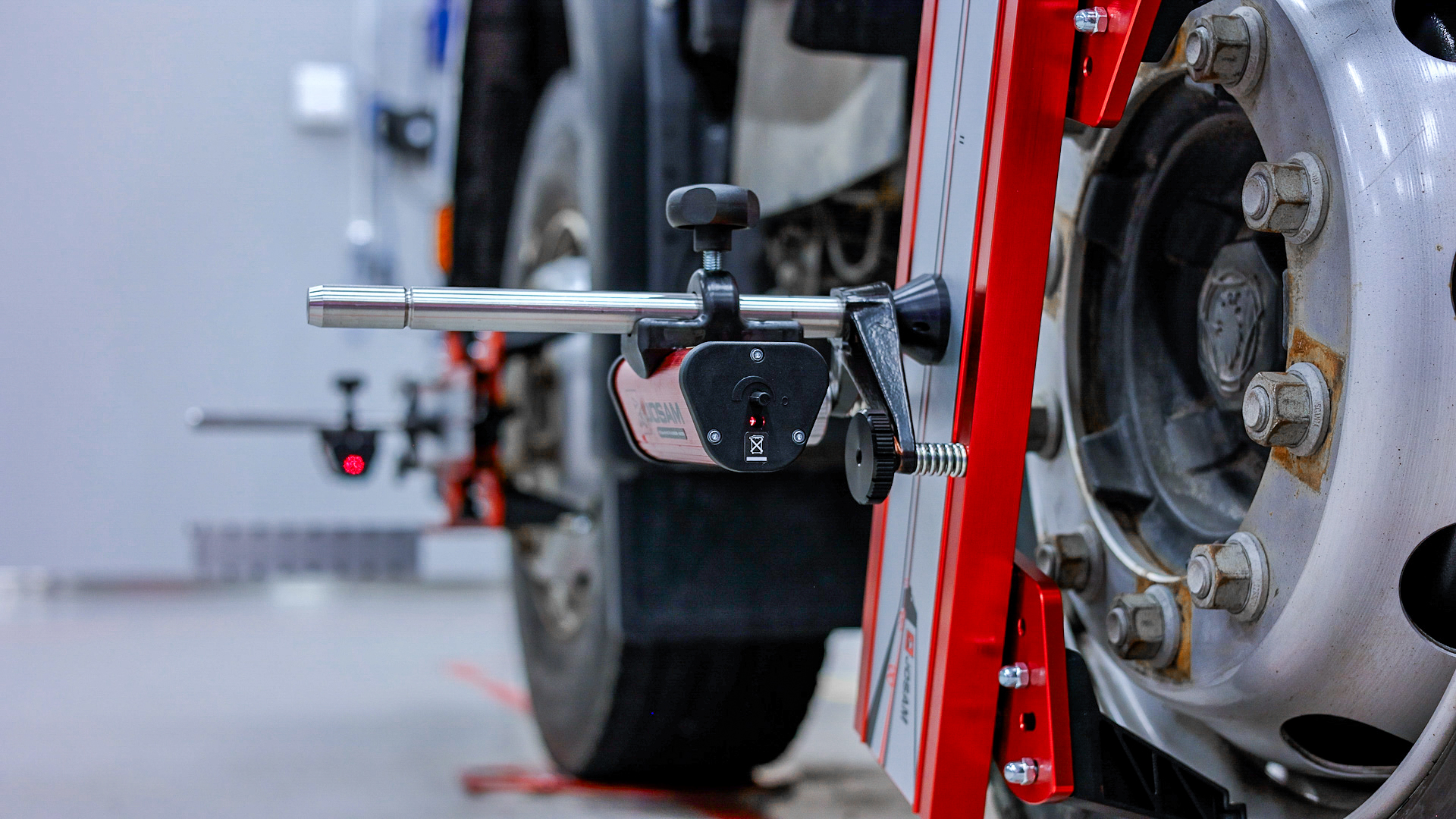
Alignment is not about adjusting the tyres themselves. It is about setting the angles of the wheels and suspension so that the tyres meet the road as the vehicle manufacturer intended. When those angles are out, the tyres may scrub across the road surface rather than rolling cleanly.
That can lead to uneven tread wear, shorter tyre life and poorer handling. In some cases, misalignment can also increase rolling resistance, which means the engine has to work harder and the vehicle may use more fuel.
Common causes include potholes, kerb impacts, worn suspension parts and replacement steering or suspension components. The problem is that misalignment often develops gradually, so drivers may not notice it straight away.
Warning signs include the vehicle pulling to one side, the steering wheel sitting off-centre when driving straight, vibration through the steering wheel or tyres wearing more quickly on one edge. If you spot any of these symptoms, it is worth asking a garage or tyre specialist to check the alignment.
Regular alignment checks are especially useful after a heavy impact, when fitting new tyres, or if your vehicle covers high mileage. Catching an issue early can help you avoid replacing tyres sooner than necessary and may prevent extra wear on steering and suspension parts.
For drivers, the benefits are straightforward: tyres that wear more evenly, a car or van that feels more stable, and potentially lower running costs. As AES UK’s Tom Coad puts it, alignment should be seen as a routine check rather than something to consider only after a problem appears.