A quiet highway. Smooth asphalt. Engine hum steady. Then one question appears inside every driver mind. Long do tyres last before grip begins fading and safety drops?
Rubber meets pavement thousands times during a single trip. Friction builds heat. Microscopic particles slowly disappear. Every tyre faces aging stress sunlight and heavy loads. Many drivers ignore these changes until vibration appears or braking distance increases.
During vehicle purchase drivers often check service records and accident history. Smart buyers also perform a vin number check online to understand previous maintenance mileage and mechanical damage. That background data helps reveal whether previous owners cared for the car tyres properly.
Rubber performance depends on several factors. Compound design climate speed weight and maintenance influence durability. A calm driver and an aggressive driver produce different tyre wear results even using identical vehicles.
Why Tyre Lifespan Depends on Multiple Factors
Understanding how a tyre works helps predict when replacement becomes necessary. Heat cycles stiffen rubber structure. Sunlight damages outer layers. Debris cuts surfaces. These changes slowly shorten tyre life.
A single tyre carries massive stress. Thousands rotations per mile grind rubber against asphalt. Over time tyre tread becomes thinner. Less tread means weaker grip on wet pavement.
Drivers often overlook one simple rule. A healthy tyre protects braking stability steering precision and passenger safety. Neglected tyre maintenance risks control loss.
How many miles do tyres last
Mileage statistics help answer the famous question how many miles do tyres survive before replacement becomes necessary.
Industry research shows most tyres typically last between forty thousand and sixty thousand miles. Yet durability always depends on many factors such as climate driving speed vehicle weight and road conditions. A driver covering fifteen thousand miles a year may replace a set of tyres within four years. Another driver traveling shorter distances keeps rubber longer.
Many people ask long do tyres last when planning maintenance. Engineers explain that mileage alone never defines durability. Temperature cycles aging and driving style also influence results.
Heavy braking acceleration and aggressive cornering cause tyres to wear rapidly. Calm highway travel often allows a tyre to survive many miles.
Tyres last longer with proper tyre maintenance
Consistent tyre maintenance protects durability. Correct tyre pressure forms the first rule.
Low pressure forces the tyre sidewalls to bend excessively. Heat builds inside rubber layers. High pressure creates narrow contact with pavement. Both situations accelerate tread wear.
Drivers should inspect pressure monthly. A properly inflated tyre maintains even contact with pavement.
Next step involves rotate your tyres regularly. Balanced rotation prevents front axle overload. Steering wheels generate stronger friction during turning. Rotating helps distribute stress.
Essential habits that help make your tyres last longer:
- monitor tyre pressure
• inspect tread depth
• schedule tyre rotation
• check alignment
• maintain smooth braking
These actions help tyres last longer and protect safety.
Tyres should last depending on driving habits
Every car owner influences durability through daily behavior. Calm acceleration reduces friction stress. Smooth braking prevents flat spots. Aggressive driving habits increase temperature inside the tyre structure. Heat weakens internal belts and speeds up tyre wear.
Poor pavement also damages rubber. Broken asphalt potholes gravel and debris represent difficult road conditions.
Urban drivers face frequent traffic lights. Stop start motion increases friction. Highway drivers maintain stable speed which helps tyres last longer.
Drivers should inspect surfaces frequently because damaged pavement may wear out your tyres earlier than expected.
Tyre lifespan and tyre type
Every tyre type uses a specific rubber compound and structure. Engineers design each tyre for certain performance goals.
The different types of tyres deliver different durability levels.
| Tyre Type | Rough Mileage Range | Main Purpose |
| all-season tyres | 50k miles | balanced performance |
| winter tyres | 30k miles | cold traction |
| summer tyres | 40k miles | warm weather grip |
| performance tyres | 30k miles | sport handling |
Soft rubber provides stronger grip yet reduces lifespan. Hard compounds allow long tyres durability but reduce cornering traction.
Understanding the right tyre for climate and vehicle weight helps extend tyre lifespan.
Performance tyres and high performance designs
Sport vehicles often use high-performance tyres designed for grip at high speeds. These tyres rely on soft rubber compounds. Such compounds wear faster than all-season tyres because friction increases dramatically during cornering.
Drivers installing sport equipment should expect shorter durability. A tyre built for track precision sacrifices endurance. Manufacturers also produce reinforced touring tyre designs which often last as long as seventy thousand miles when used gently.
Tyre age and production code
Mileage alone never determines durability. Rubber also degrades with time. Every tyre displays a manufacturing code containing the week and year the tyre was produced. Experts evaluate tyre age when assessing safety.
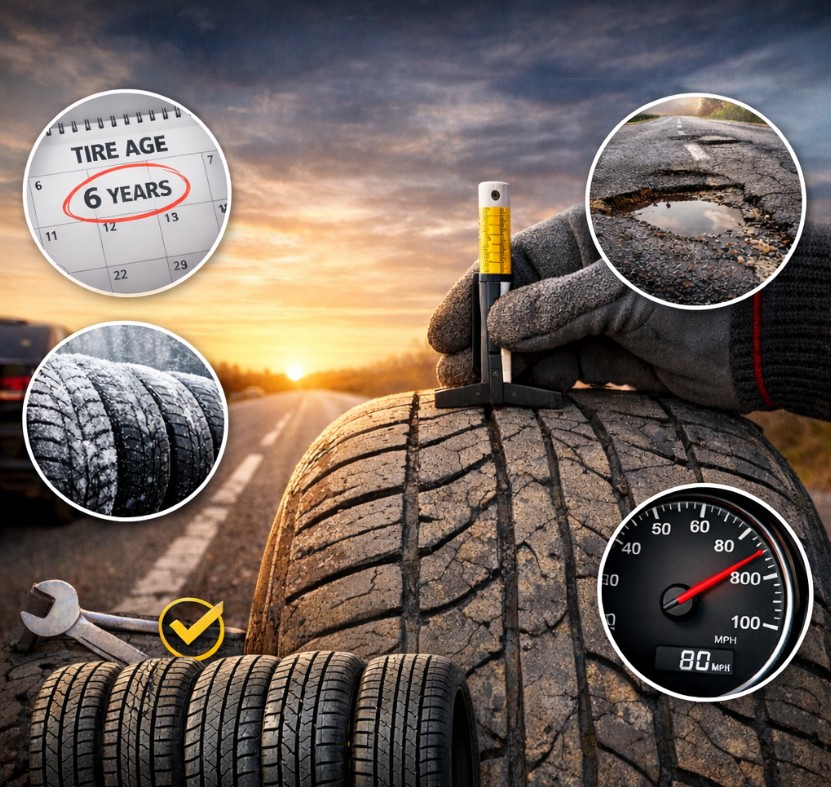
Even unused tyre rubber slowly loses flexibility due to oxygen heat and sunlight.Most safety specialists explain that the tyre was manufactured more than six years ago should undergo professional inspection. Drivers storing a spare tyre inside trunk should also monitor aging because rubber degrades even without road contact.
Uneven tyre wear warning signs
Visual inspection reveals early damage. One worn shoulder indicates incorrect pressure. Center damage suggests excessive inflation.
Other patterns appear from misalignment or suspension issues.
Signs include:
1 shoulder abrasion
2 cupping patterns
3 feathered edges
4 vibration during driving
These symptoms reveal uneven tyre wear which shortens durability.
Regular inspections help keep your tyres safe and balanced.
When tyres need to be replaced
Drivers often wonder long should tyres last before replacement becomes unavoidable.
Engineers explain that tyres should last until tread depth drops below safety limits. Once the surface becomes shallow braking grip declines sharply. A worn tyre struggles to disperse water which increases hydroplaning risk.
Safety experts say tyres should be replaced when tread reaches minimum legal depth or when cracks appear. Industry guidance states tyre manufacturers recommend replacing tyres after six years regardless of mileage. A driver noticing severe damage should replace your tyres immediately.
Tyre replacement planning
Replacement timing depends on usage patterns. Fleet managers often recommend replacing tyres every five years. Drivers who notice vibration sidewall cracks or punctures face time to replace your tyres sooner.
Replacement process also depends on choosing the correct replacement tyres. Some drivers purchase a new set of tyres designed for comfort. Others prefer sport grip with high-performance tyres. A careful buyer selects a proper tyre designed for climate and vehicle load. A set of new tyres improves braking traction stability and road confidence.
How to make your tyres last
Durability depends on maintenance discipline. Drivers who care for your tyres consistently enjoy longer performance.
Key habits include balanced alignment stable tyre pressure and gentle acceleration.
Drivers who maintain smooth driving reduce friction heat which helps make your tyres last.
Experts confirm that careful maintenance allows tyres can last significantly longer than average.
Conclusion
Every tyre performs a demanding job. Rubber supports vehicle weight absorbs road shocks and delivers traction during acceleration braking and turning.
Drivers asking long should tyres last discover that durability never depends on a single number. Climate speed maintenance and compound design all influence results.
Routine inspection helps detect problems early. Checking pressure rotating wheels and monitoring tread wear protects safety and budget.
A well maintained tyre keeps grip stable during rain heat and winter travel. Ignoring maintenance shortens durability and increases accident risk.
Understanding long your tyres last allows drivers to plan maintenance calmly rather than reacting after failure.
Responsible maintenance protects every new car and older vehicle equally.
FAQ
Why do tyres faster wear on the front axle?
Front wheels carry steering forces engine weight and braking loads. These stresses cause tyres faster deterioration compared with rear wheels.
Why do winter tyres wear quicker during summer?
Soft rubber compounds designed for cold traction heat rapidly on warm asphalt. That temperature increase accelerates friction and shortens durability.
Should drivers replace four tyres together?
Safety specialists often suggest replacing four tyres together because balanced grip maintains vehicle stability during braking and turning.
What indicates it’s time for new tyres?
Low tread, cracking, vibration or poor wet traction signal it’s time for new rubber and safe tyre replacement.