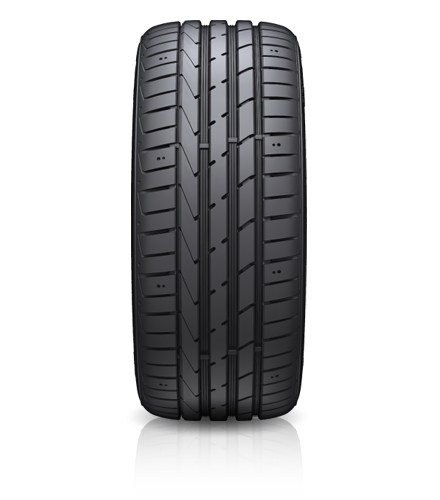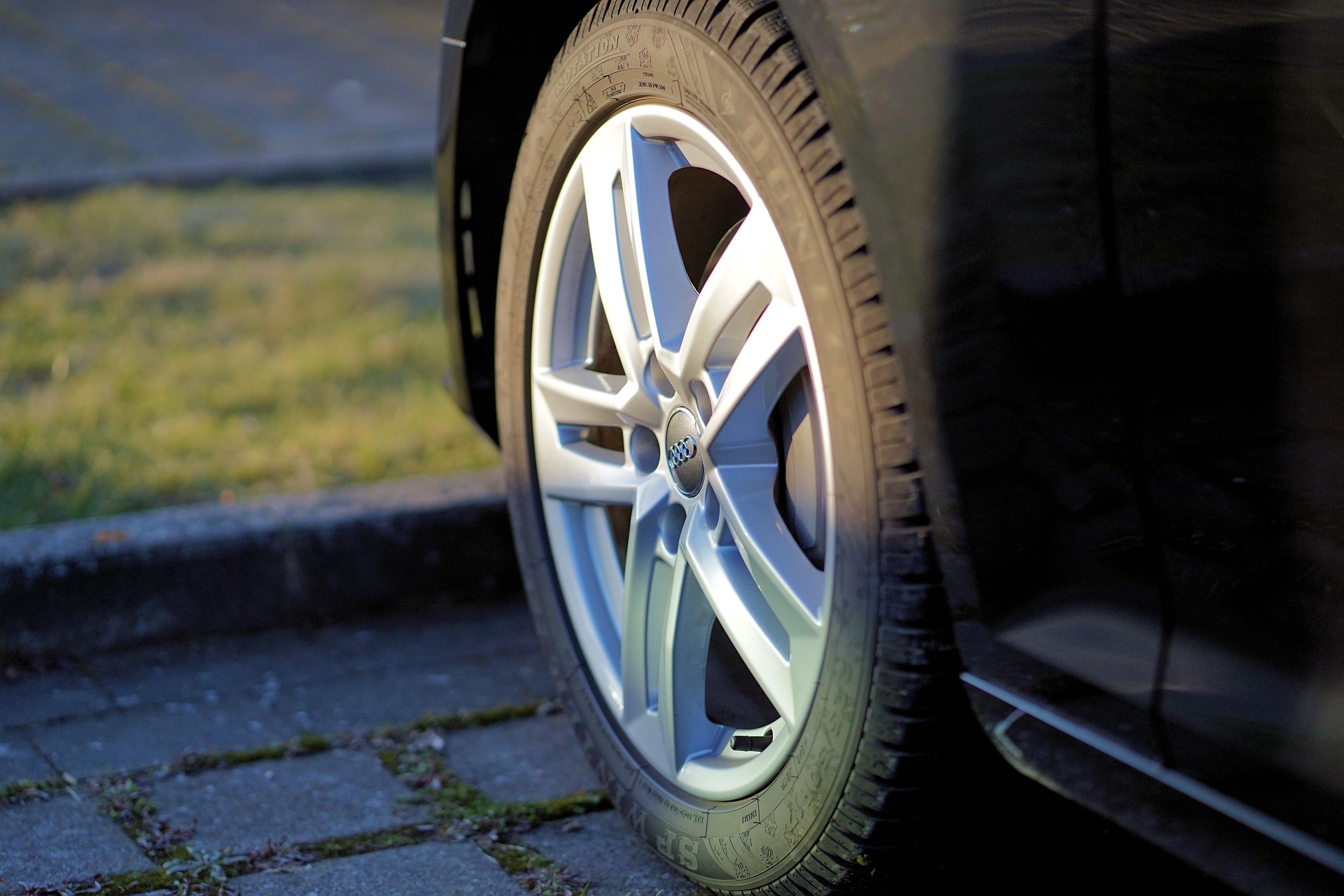
Tyres are one of the most critical yet often overlooked components of a vehicle. They are the only point of contact between a car and the road, directly affecting safety, fuel efficiency, and overall driving performance. Proper tyre maintenance not only extends tyre life but also ensures a smoother, safer driving experience in all weather conditions.
One of the key factors in tyre performance is correct air pressure. Underinflated tyres increase rolling resistance, which leads to higher fuel consumption and uneven tread wear. Overinflated tyres, on the other hand, reduce road contact, making the vehicle harder to control, especially during braking or sharp turns. Checking tyre pressure regularly—at least once a month—can significantly reduce the risk of accidents and unexpected breakdowns.
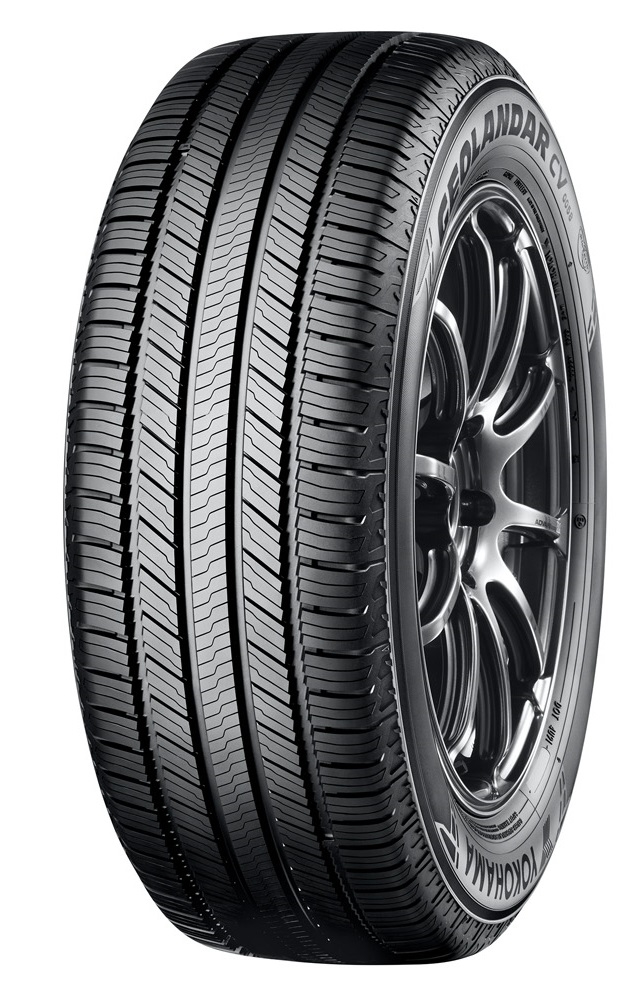
Tread depth is another essential aspect of tyre safety. Worn-out tyres struggle to grip wet or slippery roads, increasing the likelihood of skidding or hydroplaning. Most experts recommend replacing tyres when tread depth falls below legal or manufacturer-recommended limits. Visual tools and performance data, sometimes presented through infographics created by a pie chart designer, help vehicle owners better understand tyre wear patterns and replacement timelines.
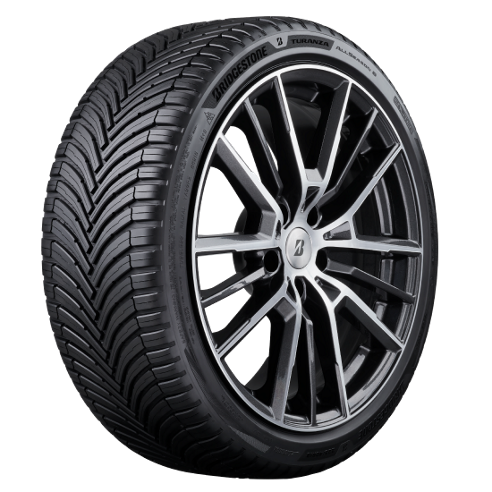
Seasonal tyres also play an important role in driving safety. Summer tyres are designed for warm conditions, offering excellent grip and handling on dry and wet roads. Winter tyres, however, are made from softer rubber compounds and deeper tread patterns to maintain traction in cold temperatures, snow, and ice. All-season tyres provide a balance but may not perform optimally in extreme weather. Choosing the right tyre type for your climate can greatly improve vehicle stability and control.
Wheel alignment and tyre rotation are equally important maintenance practices. Misaligned wheels can cause uneven tyre wear and pulling to one side while driving. Regular tyre rotation ensures even wear across all tyres, extending their lifespan and maintaining consistent performance. Many service centers use data visualization methods, such as charts and diagrams designed by a pie chart designer, to explain rotation cycles and wear distribution to customers in a clear, easy-to-understand way.
In addition to safety, well-maintained tyres contribute to environmental sustainability. Properly inflated and aligned tyres reduce fuel consumption, which in turn lowers carbon emissions. Over time, this small habit can make a significant difference, especially for frequent drivers.
In conclusion, tyres are far more than simple rubber components—they are vital to safety, efficiency, and comfort. Regular inspections, proper inflation, correct tyre selection, and timely replacements all play a role in maintaining optimal performance. By paying attention to tyre health and using data-driven insights, drivers can enjoy safer journeys, better fuel economy, and longer-lasting tyres.