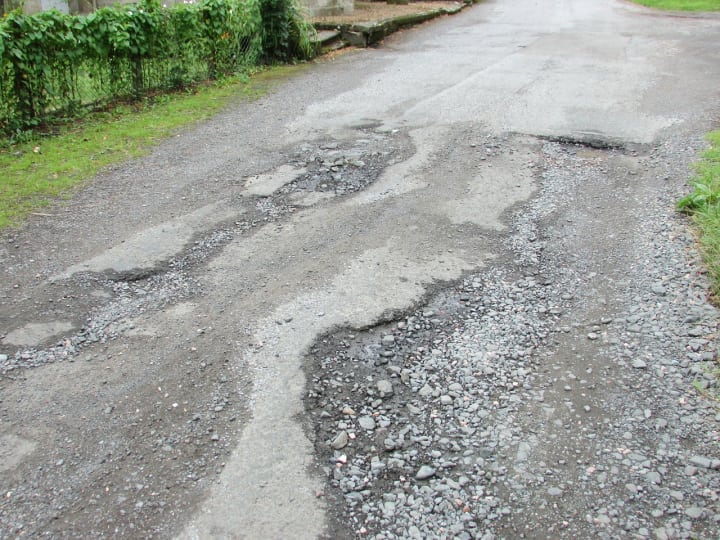
New research from online used car retailer cinch reveals the escalating scale of Britain’s pothole crisis. Based on Freedom of Information (FOI) requests submitted to all 207 road‑maintaining authorities across Great Britain, the findings show that almost 5 million potholes have been repaired since 2022, with more than 3.3 million potholes reported by drivers in the same period. Of the authorities contacted, 172 responded, providing substantial insight into the growing pressures within the nation’s road network.
The data highlights a worrying trend: roads across Great Britain are deteriorating faster than maintenance budgets and resurfacing programmes can cope with. Despite councils completing millions of repair jobs, road conditions continue to worsen, leading to vehicle damage, unexpected repair bills and mounting frustration among motorists.
Repairs: January 2022 – September 2025
Councils have undertaken 4,952,744 pothole repairs since January 2022. Annual repair numbers have increased each year, underlining the accelerating deterioration of road surfaces:
- 2022: 1,110,893 repairs
- 2023: 1,408,436 repairs
- 2024: 1,514,325 repairs
- 2025: 919,090 repairs (up to 30 September)
Rather than suggesting improvement, these rising figures indicate the scale of the challenge. Councils are being forced into reactive patch repairs, attempting to keep roads safe even as underlying surfaces continue to degrade. By late September 2025, authorities were collectively completing an average of 3,379 repairs per day, pointing to an estimated total of more than 1.23 million repairs for the full year.
The top 10 councils carrying out the most repairs between January 2022 and September 2025 are predominantly located in rural, coastal or commuter-heavy areas—regions typically responsible for long road networks and subject to frequent weather-related damage. These councils alone accounted for over 1.3 million repairs, almost a quarter of all recorded repairs. Devon County Council, at the top of the list, completed 191,272 repairs, followed closely by Surrey, Scottish Borders, and Northumberland.
Pothole Reports: January 2022 – September 2025
Despite the high volume of repairs, reports of potholes from drivers remain consistently high. More than 3.3 million potholes were reported by the public during the same period:
- 2022: 746,829 reports
- 2023: 1,004,210 reports
- 2024: 975,860 reports
- 2025: 590,430 reports (up to 30 September)
Notably, reports spiked significantly in 2023, topping one million as public frustration surged. Although the numbers dipped slightly in 2024, they remained elevated, and 2025 was on course to end with around 792,000 reports based on a daily average of 2,170 reports up to the end of September.
High report numbers reflect ongoing dissatisfaction among drivers. However, cinch suggests that the mild reduction in 2024 and 2025 could also indicate a decline in motorist confidence that reporting a pothole will lead to prompt repairs.
The top 10 councils receiving the most reports include Devon, Northumberland, Herefordshire, Durham, and Cheshire East, many of which also appear in the top 10 for repairs. These regions share common characteristics: extensive road networks, ageing tarmac, frequent adverse weather and high vehicle use—all factors that contribute to persistent and widespread pothole issues.
Why Britain’s potholes are getting worse
cinch’s motoring editor, Ben Welham, outlines several key reasons behind the recurring deterioration of the UK’s roads:
- Water damage and freeze–thaw cycles
Water penetrating small cracks expands when frozen, breaking up road surfaces—a process intensified by cold, wet winters. - Ageing infrastructure
Much of Britain’s road network is decades old, with materials that weaken over time, making surfaces increasingly vulnerable to cracks and erosion. - Heavier vehicles and rising traffic volumes
Modern vehicles are larger and heavier than in previous decades, putting increased strain on road surfaces—especially on roads not originally designed for such loads. - Short-term repair strategies
Budget constraints often restrict councils to patching potholes rather than undertaking costlier but more durable resurfacing. These temporary fixes frequently fail, contributing to recurring issues. - Extreme weather
Heavy rainfall can undermine road foundations, while high summer temperatures soften asphalt, both of which accelerate surface breakdown.
Welham argues that long-term investment in maintenance and resurfacing is essential. Without significant funding and strategic planning, Britain’s road infrastructure will continue to deteriorate, perpetuating a cycle of short-term fixes, rising repair costs and growing public dissatisfaction.
Cinch methodology
The research was conducted using FOI data from local authorities responsible for road maintenance, based on the Department for Transport’s official road length dataset. Not all councils were able to provide full data, and partial-year results for 2025 mean year-on-year comparisons are not exact. All councils appearing in both top 10 lists, however, supplied complete datasets for both repairs and reports.
Research leader cinch is a leading digital car marketplace providing online vehicle sales, delivery, maintenance services and MOTs, supported by the Constellation Automotive Group.